Ciekawe adresy:
http://www.microsoft.com/technet/security/scripting/security.mspx - bezpieczeństwo poprzez używanie skryptów
http://www.microsoft.com/technet/security/topics/Cryptographyetc.mspx - zasoby kryptograficzne w MS
http://weblogs.asp.net/scottgu/archive/2005/06/28/416185.aspx - blog
http://weblogs.asp.net/scottgu - blog autorski
http://simon.incutio.com/archive/2005/09/11/firefox15 - o FF
http://headrush.typepad.com/creating_passionate_users/2005/09/subvert_from_wi.html
http://www.syndic8.com/~jeff/blog/ - Amazon
http://beta.asp.net/default.aspx?tabindex=7&tabid=47 – o .NET
http://www.microsoft.com/events/series/msdnwebdev.mspx - Explore Web Development
http://www.microsoft.com/technet/scriptcenter/learnit.mspx - Skrypty
http://dean.edwards.name/weblog/ - o IE7, mozzi
http://dean.edwards.name/download/#IE7 – downloady
http://www-128.ibm.com/developerworks/edu/x-dw-x-xmlcss3-i.html?S_TACT=105AGX30&S_CMP=DEVX&ca=tut-xmlcss3 – use XSL (IBM)
http://www.ibm.com/developerworks/edu/x-dw-x-xmlcss-i.html - cz 1
http://www.ibm.com/developerworks/edu/x-dw-x-xmlcss2-i.html - cz 2
http://voo2do.com/ - Planner internetowy
http://en.wikibooks.org/wiki/Main_Page - wikibooks!
http://www.understandingxml.com/ - blog Kurt Cagle
http://www.orablogs.com/otn/ - Oracle blog!
http://www.enterprisedb.com/downloads.do - ściągnij sobie Enterprosedb zamiennik do Oracle
http://mochikit.com/doc/html/MochiKit/DOM.html - MochiKit lekarstwo na DOM
Web mulls Google's threat to Microsoft – Coraz wiecej firm dostrzega Internet jako platformę obliczeniową zdolną do uruchamiania poważnych aplikacji (i jako narzędzie do tworzeenia aplikacji) tzw. hasło „Internet-as-platform”. Trend ten zapoczątkowała firma Google ze swym szerokim wachlarzem serwisów (Gmail, Talk, Earth i innymi eksperymentalnymi usługami jak WiFi, Video). Podobnie również myśli Microsoft oskarżana często o zachowawczość i upodobnianie się do dinozaura. Ale MS nie zasypia gruszek w popiele i ma zbyt dużo do stracenia. Być może niedawna reorganizacja MS na trzy oddziały ma coś z tym wspólnego jak również położenie nacisku na tzw. hosted-software services. Najbardziej innowacyjną grupą w MS jest MSN Web Portal business, który został włączony do Platform Product Development Group. CTO firmy, Ray Ozzie również akcentuje zajęcie się usługami programowymi.
środa, września 28, 2005


Braterstwo AD+Linux
Microsoft SFU 3.5 and Vintela VAS
Microsoft Services for UNIX (SFU) 3.5 is a free suite of utilities and services for interoperating with UNIX systems. Among the things it contains are:
an updated POSIX subsystem for running recompiled UNIX applications within Windows, running UNIX-style shell scripts and a shell-based environment running the POSIX and bash shells
an NFS client and server connectivity, and (last but not least)
a method of mapping Active Directory accounts to equivalents on UNIX and Linux systems.
SFU achieves Active Directory integration with Linux and UNIX systems by not actually implementing native AD connectivity at all. Instead, Linux and UNIX clients communicate with the Windows network using their native NIS (yp) authentication stack already installed on every copy of Linux and UNIX, which communicates with a native NIS server service installed on every Active Directory Domain Controller on your network, which in turn runs a User Name Mapping Service that translates NIS logins to Active Directory logins. (Whew.) Each user account and group within Active Directory can be configured to correspond with a discrete UserID and GroupID on the Linux/UNIX side.
In theory, with a completely clean and uncomplicated Active Directory implementation and a fully cooperative IT staff, Microsoft Services for UNIX is a good solution. However, as we well know, not all ADs are clean, and not all IT departments are completely centralized or cooperative.
Perhaps one of the main issues why SFU is a difficult pill to swallow is that it requires Schema Extension. That means that the functions that SFU needs to perform the UserID/GroupID translation requires logical and physical modifications to the Active Directory database. The SFU installation adds new fields to the AD database to accommodate these new functions, and to store the extended user and group data on the Linux/UNIX side.
For many IT departments, schema extension is a deal-breaker – and it's even less desirable because there is no way to back out of the schema extension once it is done. Once the SFU schema extensions are added to your AD database, you have to live with them – permanently. In order to deal with this issue better (or rather, to force this down your throat) Microsoft is integrating the SFU schema extensions in the next major revision of Windows Server, 2003 R2.
What Vintela Does
A similar product to Microsoft SFU is Vintela Authentication Services (VAS), a spin-off of SCO which was recently acquired by Quest Software. Like SFU, Vintela uses NSS and NIS to "trick" Linux and UNIX systems into believing they are talking to a native network authentication scheme. However, unlike SFU, it doesn't require installing a NIS server or a User Name Mapping Service on your Windows servers. Most of the magic occurs at the VAS client-side level, which is supplied as a bunch of PAM modules and a service running on the client.
Unfortunately, to make this product work, it also requires schema extensions, which may or may not be palatable to your particular IT environment. However, once Vintela VAS is installed on your clients and the schema extensions are installed into your AD, it does work very well. Vintela also supplies Microsoft Management Console (MMC) modules for administrating your Linux and UNIX machines from Windows-based workstations.
Microsoft Services for UNIX (SFU) 3.5 is a free suite of utilities and services for interoperating with UNIX systems. Among the things it contains are:
an updated POSIX subsystem for running recompiled UNIX applications within Windows, running UNIX-style shell scripts and a shell-based environment running the POSIX and bash shells
an NFS client and server connectivity, and (last but not least)
a method of mapping Active Directory accounts to equivalents on UNIX and Linux systems.
SFU achieves Active Directory integration with Linux and UNIX systems by not actually implementing native AD connectivity at all. Instead, Linux and UNIX clients communicate with the Windows network using their native NIS (yp) authentication stack already installed on every copy of Linux and UNIX, which communicates with a native NIS server service installed on every Active Directory Domain Controller on your network, which in turn runs a User Name Mapping Service that translates NIS logins to Active Directory logins. (Whew.) Each user account and group within Active Directory can be configured to correspond with a discrete UserID and GroupID on the Linux/UNIX side.
In theory, with a completely clean and uncomplicated Active Directory implementation and a fully cooperative IT staff, Microsoft Services for UNIX is a good solution. However, as we well know, not all ADs are clean, and not all IT departments are completely centralized or cooperative.
Perhaps one of the main issues why SFU is a difficult pill to swallow is that it requires Schema Extension. That means that the functions that SFU needs to perform the UserID/GroupID translation requires logical and physical modifications to the Active Directory database. The SFU installation adds new fields to the AD database to accommodate these new functions, and to store the extended user and group data on the Linux/UNIX side.
For many IT departments, schema extension is a deal-breaker – and it's even less desirable because there is no way to back out of the schema extension once it is done. Once the SFU schema extensions are added to your AD database, you have to live with them – permanently. In order to deal with this issue better (or rather, to force this down your throat) Microsoft is integrating the SFU schema extensions in the next major revision of Windows Server, 2003 R2.
What Vintela Does
A similar product to Microsoft SFU is Vintela Authentication Services (VAS), a spin-off of SCO which was recently acquired by Quest Software. Like SFU, Vintela uses NSS and NIS to "trick" Linux and UNIX systems into believing they are talking to a native network authentication scheme. However, unlike SFU, it doesn't require installing a NIS server or a User Name Mapping Service on your Windows servers. Most of the magic occurs at the VAS client-side level, which is supplied as a bunch of PAM modules and a service running on the client.
Unfortunately, to make this product work, it also requires schema extensions, which may or may not be palatable to your particular IT environment. However, once Vintela VAS is installed on your clients and the schema extensions are installed into your AD, it does work very well. Vintela also supplies Microsoft Management Console (MMC) modules for administrating your Linux and UNIX machines from Windows-based workstations.
Różnosci
Różności
- To, że MS ma ponad 60 tyś. pracowników, ukończył 30 lat i żyje z aplikacji monolitycznych powiązanych ze sobą głęboko oznacza, że przeżywa kryzys wieku średniego. Otacza go wszechobecna biurokracja. Dlatego został podzielony na oddziały, które mają znaczną samodzielność i muszą co kwartał składać oświadzczenia o swej pracy/zyskowości (jako samodzielne centra kosztów i zysków). Jest to dobre bo zmniejsza biurokrację ale z drugiej strony oddziały walczą o zasoby (budżet, ludzi, ciekawe projekty). Znane są przypadki blokady ciekawych projektów przez rywalizujące ze sobą grupy programistyczne. Do tego dochodzi potrzeba ciągłej intergracji nowych aplikacji (tych webowych również) ze starymi aplikacjami. Ale Balmer (od 1998 szef firmy) nie traci nadziei i oświadcza w swoim buńczucznym tonie, że lata 2005-2010 są okresem zdobywania Internetu. To już wg. niego trzecia fala (I – okres 1995-2000 zdobywanie pulpitów przez MS Windows, II – okres 2000-2005 – fala na serwery).
- Ciekawy artykuł na ten temat w Forbes, (Microsoft's midlife crisis - Victoria Murphy Sep 2005)
- Założyciel Amazon – Jeff Barr ma swój blog (www.syndic8.com) – ciekawy (kupił niedawno Toyotę Scion xB)
wtorek, września 27, 2005
Amazon + MS
Mimo wielu sukcesów Google, jest on ciągle firmą zajmującą się reklamami. Co innego Yahoo, Amazon - one zajmują się komercyjnymi zastosowaniami Internetu. Podobnie chce zrobić MS w swym produkcie MSN. Ale na razie podczas PDC ogloszono konkurs na wykorzystania API Amazon w aplikacjach Internetowych (Jest nawet książka nt. "Amazon hacks"). Chodzi o spopularyzowanie API do Web Services jako narzędzia dostępu do zasobów witryn komercyjnych (a poprzez te witryny do bogatego swiata aplikacji wewnętrzych firmy). Amazon API to gotowe do wykorzystania metody w stylu SOAP do podpiecia się do zasobów.
Niżej artykul na ten temat
Amazon contest targets .NET developers, or Let's have a mashup
22 Sep 2005 | SearchVB.com
The expo floor at Microsoft PDC [Sept 12 to 16] was the usual mix of the cool and useful, but you had to be there to see that. We came back with enough rubber toys, nylon Frisbees, glow-in-the-dark pens, books and demo CDs to entertain the kids until the next show comes around. A slew of new software was being demoed, including Acrylic, Indigo and Office 12. If you caught any of the business press lately, you would think the Microsoft situation was dour. But the PDC show floor was busy and enthused.
It seems Google with its Web services API, at least according to the Pandoras at Business Week and Forbes, was ready not only to map the world and index its content, but to flat out take over the world as well. Let Google enjoy its youthful glow. Amazon.com was the first big timer to the Web services API battle, and it is much more in the mainstream of electronic commerce – Google, as of this moment, is still just a big advertising company.
To remind people that Amazon and Microsoft are still in the Web API hunt, the companies announced the Microsoft Visual Studio 2005/Amazon Web Services Developer Contest at PDC05. From now through Dec. 31, 2005, developers can compete for prizes by using Visual Studio 2005 to build applications that use product data and technology from the Amazon Web services platform.
This is definitely a case where cool meets practical. To date, developers have used these APIs to create sites that bring in various functions from across the web. Some call these sites "mash-ups." So you can test your .NET skills, have a mash-up, and compete for prizes too. The grand-prize winner will have his or her Amazon.com Wish List fulfilled with a value up to $5,000 (U.S.).
Visual Studio tools can access the Amazon Web services API via SOAP [Simple Object Access Protocol). "If you use the Amazon Web services API, the entire company becomes a programmable object," said Jeff Barr, Amazon. He points out the wide variety of items on Amazon site pages, adding that these items lead to all sorts of Amazon data.
Creativity has been great. People, he said, for example, have built links from their training programs to Amazon books. Of course, the popular book, "Amazon Hacks," outlines all sorts of programming that can be done. "People have great ideas. This is a mix of Amazon data and peoples' creativity," said Barr, who formerly worked with Microsoft.
He advises contestants to: "Put on their thinking caps and dream!"
Niżej artykul na ten temat
Amazon contest targets .NET developers, or Let's have a mashup
22 Sep 2005 | SearchVB.com
The expo floor at Microsoft PDC [Sept 12 to 16] was the usual mix of the cool and useful, but you had to be there to see that. We came back with enough rubber toys, nylon Frisbees, glow-in-the-dark pens, books and demo CDs to entertain the kids until the next show comes around. A slew of new software was being demoed, including Acrylic, Indigo and Office 12. If you caught any of the business press lately, you would think the Microsoft situation was dour. But the PDC show floor was busy and enthused.
It seems Google with its Web services API, at least according to the Pandoras at Business Week and Forbes, was ready not only to map the world and index its content, but to flat out take over the world as well. Let Google enjoy its youthful glow. Amazon.com was the first big timer to the Web services API battle, and it is much more in the mainstream of electronic commerce – Google, as of this moment, is still just a big advertising company.
To remind people that Amazon and Microsoft are still in the Web API hunt, the companies announced the Microsoft Visual Studio 2005/Amazon Web Services Developer Contest at PDC05. From now through Dec. 31, 2005, developers can compete for prizes by using Visual Studio 2005 to build applications that use product data and technology from the Amazon Web services platform.
This is definitely a case where cool meets practical. To date, developers have used these APIs to create sites that bring in various functions from across the web. Some call these sites "mash-ups." So you can test your .NET skills, have a mash-up, and compete for prizes too. The grand-prize winner will have his or her Amazon.com Wish List fulfilled with a value up to $5,000 (U.S.).
Visual Studio tools can access the Amazon Web services API via SOAP [Simple Object Access Protocol). "If you use the Amazon Web services API, the entire company becomes a programmable object," said Jeff Barr, Amazon. He points out the wide variety of items on Amazon site pages, adding that these items lead to all sorts of Amazon data.
Creativity has been great. People, he said, for example, have built links from their training programs to Amazon books. Of course, the popular book, "Amazon Hacks," outlines all sorts of programming that can be done. "People have great ideas. This is a mix of Amazon data and peoples' creativity," said Barr, who formerly worked with Microsoft.
He advises contestants to: "Put on their thinking caps and dream!"
sobota, września 24, 2005
Brak innowacyjnoci w MS
Brak innowacyjności w MS
Świetny artykuł opublikowany w BW szeroko opisujący niezadowolenie pracowników z działalności swoje firmy i atmosfery pracy. Chodzi głównie o kurczowe trzymanie się przez MS aplikacji monolitycznych podczas gdy wszyscy tworzą aplikacje internetowe (jak np. słynny Gogle).
Co boli pracowników MS (też BW):
Świetny artykuł opublikowany w BW szeroko opisujący niezadowolenie pracowników z działalności swoje firmy i atmosfery pracy. Chodzi głównie o kurczowe trzymanie się przez MS aplikacji monolitycznych podczas gdy wszyscy tworzą aplikacje internetowe (jak np. słynny Gogle).
Co boli pracowników MS (też BW):
- Brak innowacyjności (skupienie się na istniejących produktach).
- Wolny cykl tworzenia oprogramowania (spowodowana koniecznością uwzględnienia zależności między produktami)
- Nieustanne narady w celu omówienia wielu problemów zabiera czas potrzebny do tworzenia nowych produktów
- Upadające morale spowodowane (brak zachęty związanej z akcjami, obniżenie poziomu świadczeń zdrowotnych i wolnych dni urlopowych dla nowych pracowników)
Typy i poziomy szyfr
Typy i poziomy szyfrowania.
Poziomy mogą być dwa: aplikacyjny i fizyczne
Storage or app level?
Physical and file-share-level encryption
PROS
Relatively easy to implement
Protects against theft of storage devices and servers
CONS
Does not protect against application-level attacks
Application-level encryption
PROS
Provides security granularity
Allows encryption of specific data fields
CONS
Requires extensive performance and interoperability tests
Latency may be a concern
Poziomy mogą być dwa: aplikacyjny i fizyczne
Storage or app level?
Physical and file-share-level encryption
PROS
Relatively easy to implement
Protects against theft of storage devices and servers
CONS
Does not protect against application-level attacks
Application-level encryption
PROS
Provides security granularity
Allows encryption of specific data fields
CONS
Requires extensive performance and interoperability tests
Latency may be a concern
Banicja w wydaniu MS
Banicja w wydaniu MS
MS zabroniła stosowania pewnych funkcji kryptograficznych w nowo pisanych aplikacjach. Chodzi o algorytmy DES (Data Encryption Standard służy do szyfrowania informacji w wielu protokołach sieciowych), MD4 i MD5 (Message Digest pochodzą z MIT i zostało opracowane na początku 1990 do zapewnienia integralności danych – podpisu cyfrowego) a nawet SHA1 (najciężej “poszkodowany” ponieważ opublikowano na początku lutego przez chińskich naukowców teoretyczną próbę ataku na ten algorytm).
MS rekomenduje stosowanie SHA 256 (Secure Hash Algorithm) oraz AES (Advanced Encryption Standard).
Taka polityka jest zgodna z odbywającymi się co pół roku zaleceniami tzw. Microsoft Secure Development. Wymaganie stosowania tej polityki będzie odbywać się przy pomocy automatycznych narzędzi skanujących kod źródłowy nowo powstałych programów.
MS zabroniła stosowania pewnych funkcji kryptograficznych w nowo pisanych aplikacjach. Chodzi o algorytmy DES (Data Encryption Standard służy do szyfrowania informacji w wielu protokołach sieciowych), MD4 i MD5 (Message Digest pochodzą z MIT i zostało opracowane na początku 1990 do zapewnienia integralności danych – podpisu cyfrowego) a nawet SHA1 (najciężej “poszkodowany” ponieważ opublikowano na początku lutego przez chińskich naukowców teoretyczną próbę ataku na ten algorytm).
MS rekomenduje stosowanie SHA 256 (Secure Hash Algorithm) oraz AES (Advanced Encryption Standard).
Taka polityka jest zgodna z odbywającymi się co pół roku zaleceniami tzw. Microsoft Secure Development. Wymaganie stosowania tej polityki będzie odbywać się przy pomocy automatycznych narzędzi skanujących kod źródłowy nowo powstałych programów.
Wyscig do Linuksa
Wyscig do Linuksa?
Na konferencji PDC działo się wiele, jednym z ważnych wątków jest ogłoszenie inicjatywy „Race to Linux”. Chodzi o zawody polegające na przeniesieniu aplikacji wykonanych w ASP.NET w środowisku Linux przy użyciu dowolnego narzędzia migracyjnego np. Mono, Grasshopper (Mainsoft) lub Zend. Chyba chodzi o zareklamowanie narzędzia migracyjnego firmy Maindoft. Grasshopper jest bezpłatną wtyczką do VS .NET pozwalającą uruchamiać serwerowe aplikacje w ASP.NET pod Linuksem lub dowolną platformą zawierającą maszynę Java. Więcej informacji jest na stronie codeproject, który jest autorem zawodów.
Na konferencji PDC działo się wiele, jednym z ważnych wątków jest ogłoszenie inicjatywy „Race to Linux”. Chodzi o zawody polegające na przeniesieniu aplikacji wykonanych w ASP.NET w środowisku Linux przy użyciu dowolnego narzędzia migracyjnego np. Mono, Grasshopper (Mainsoft) lub Zend. Chyba chodzi o zareklamowanie narzędzia migracyjnego firmy Maindoft. Grasshopper jest bezpłatną wtyczką do VS .NET pozwalającą uruchamiać serwerowe aplikacje w ASP.NET pod Linuksem lub dowolną platformą zawierającą maszynę Java. Więcej informacji jest na stronie codeproject, który jest autorem zawodów.
Zasoby z Internetu
- Ciekawe adresy do zasobów każdego WebMastera - http://toolkit.crispen.org/
- Fizozofia umysłu - http://philosophy.uwaterloo.ca/MindDict
- 11 rozdział książki o .NET dla VPF - http://foxcentral.net/microsoft/NETforVFPDevelopers_Chapter11.htm
- Jcommander - http://homepage.sunrise.ch/mysunrise/jdkcommander/ug/usersguide.html
- PHP on the Fly - http://www.devnewz.com/devnewz-3-20041201PHPOnTheFly.html
- PrticleTree - http://particletree.com/
- Tree dla DHTML - http://webfx.eae.net/dhtml/xtree/implementation.html
- Web controls - http://odetocode.com/Articles/348.aspx
piątek, września 23, 2005
Nowy standard aplikacji
Nowy standard aplikacji web (2) - http://planetweb20.com/
Organizacja Web services Initiative - http://www.ws-i.org/
XAML jako nowy interfejs GUI - http://www.myxaml.com./wiki/ow.asp
WHAT? Co to nowy WASP - http://whatwg.org/specs/
Blog MS na temat MS Office 12 i jego formacie - http://blogs.msdn.com/brian_jones/archive/2005/06/01/424085.aspx
Organizacja Web services Initiative - http://www.ws-i.org/
XAML jako nowy interfejs GUI - http://www.myxaml.com./wiki/ow.asp
WHAT? Co to nowy WASP - http://whatwg.org/specs/
Blog MS na temat MS Office 12 i jego formacie - http://blogs.msdn.com/brian_jones/archive/2005/06/01/424085.aspx
Strony na temat CSS
Strony zajmujące się arkuszami stylów:
http://www.alvit.de/handbook/ - kolejne kompendium o CSS
http://www.cssimport.com/resources.htm - strona główna zawiera odwołania do innych witryn (zawiera import do innych CSS)
http://css.maxdesign.com.au/listamatic/ - zawiera wiele przykładów menu
http://glish.com/css/ - zawiera tutoriale
http://www.brainjar.com/css/positioning/ - tutorial na temat box model
http://www.cssplay.co.uk/layouts/index.html - słynny Stu Nicholls
http://www.alvit.de/handbook/ - kolejne kompendium o CSS
http://www.cssimport.com/resources.htm - strona główna zawiera odwołania do innych witryn (zawiera import do innych CSS)
http://css.maxdesign.com.au/listamatic/ - zawiera wiele przykładów menu
http://glish.com/css/ - zawiera tutoriale
http://www.brainjar.com/css/positioning/ - tutorial na temat box model
http://www.cssplay.co.uk/layouts/index.html - słynny Stu Nicholls
niedziela, września 18, 2005
Ważne wiadomości
PDC w L.A. trwa nadal i wciąż napływają nowe wieści na temat można powiedzieć fundamentalnych zmian w polityce MS w odniesieniu do udostępniania sowich produktów użytkownikom końcowym oraz deweloperom
piątek, września 16, 2005
Fundamentalne podstawy
Fundamentalne podstawy koegzystencji XML i SQL
Biblia na ten temat znajduje się w zasobach Ronald Bourret’a
Biblia na ten temat znajduje się w zasobach Ronald Bourret’a
- XML Database products
- XML and Databases
- XML and Data binding Przekształcanie XML i związywanie go z danymi. XML Spy pozwala na generowanie dla Java, C++, C# klas dostępu do XML wg dostarczonego mu schematu.
czwartek, września 15, 2005
Zasobniki w czwartek
Zasobniki w czwartek
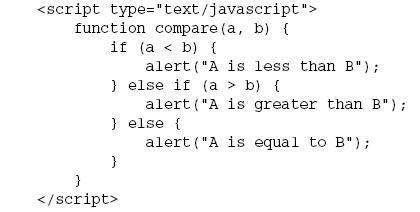
Bookmarklet-y (Favelet-y) – krótkie programiki w JS uruchamiane w oknie z adresem w przeglądarce lub jako linki (zamiast protokołu „http” jest „javascript” np.: „javascript://alert(‘cześć’)”
Adresy:
http://www.squarefree.com/2005/08/
http://www.squarefree.com/bookmarklets/validation.html
http://www.squarefree.com/userstyles/
http://www.squarefree.com/bookmarklets/webdevel.html
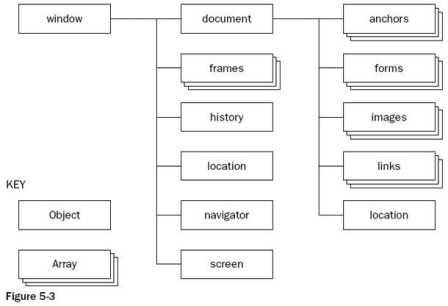
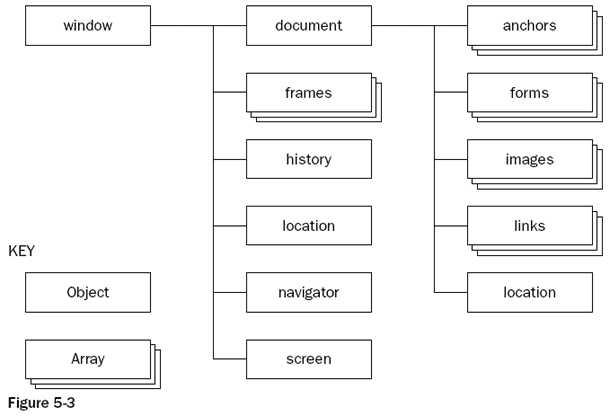
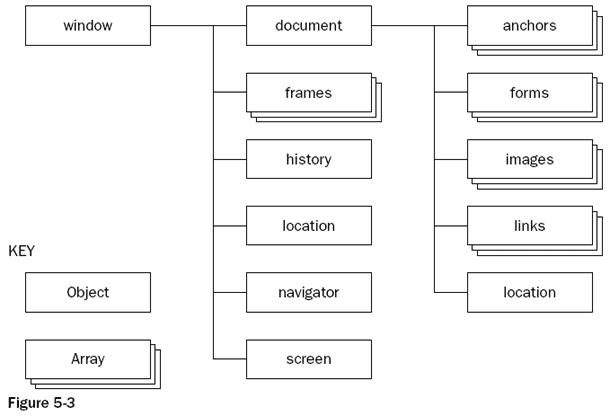
przedstawienie modelu BOM (browser object model) „Professional JavaScript for Web Developers: JavaScript in the Browser, Pt. 1” – gdzie umieszczać wstawki w JS na stronie HTML
Uwaga XHTML wymaga trochę innego zapisu skryptów w HTML:
Rozłam w grupie W3C
Rozłam w grupie standardów W3C, co przyjąć XForms czy WHAT WG? Za Xform przemawiają prace prowadzone przez W3C od 2000 r. Przeciw - brak zakończenia prac, brak wsparcia w implementacji w standardowych przeglądarkach internetowych (IE, FF, mozilla), wspierają go firmy spoza głównego nurtu firm internetowych (IBM, Novel, Oracle) jakby naprzekór stanu rzeczywistego. Za WHAT stoi pragmatyzm, wzbogacenie tradycyjnych formularzy. Ciekawy na ten temat artykuł jest tu.
AJAX z bledami
Błędy powstałe przy nieumiejętnym wykorzystaniu technologii AJAX.
Artykuł w blogu autorstwa Alex Boswortha na tema 10 najczęstszych błedach pojawił się tu:
Artykuł w blogu autorstwa Alex Boswortha na tema 10 najczęstszych błedach pojawił się tu:
- Brak wizualnego sygnału na stronie, że nastąpiło zwrócenie się do serwera po dane. Użytkownik nie wie czemu czeka na reakcję.
- Brak wsparcia dla klawisz „Back”, powrót na poprzednią stronę
- Brak zmiany stanu przez wybranie łącza (linku). Użytkownik jest przyzwyczajony, że łącza sterują nawigają, a w tej technologii łącza sterują zachowaniem się aplikacji (jej stanem).
- Nieoczekiwane (asynchroniczne przecież, one wynikają ze specyfiki AJAX) zmiany zawartości powodują dezorientację użytkownika.
- Nie działa mechanizm zamrożenia stanu strony przez zapamiętanie jej stanu przy pomocy „bookmark”. Strona jest generowana przez JS lokalnie a nie pochodzi jako wynik przesłania danych z serwera.
- Znaczna ilość kodu potrzebna do uruchomienia strony klienckiej aplikacji, powoduje znaczne obciążenie CPU lokalanego komputera, przez co przeglądarka wyświelająca aplikację działa wolno.
- Wymyślanie nowego interfejsu GUI powoduje, że użytkownik musi się na nowo uczyć obsługi aplikacji. Np. przyzwyczajenie do przytrzymania prawym klawiszem jakiegoś elementu nie działa lub działa inaczej niż zamierzano.
- Brak uwzględnienie lokalnych zmian zawartości w globalnej „wizji” bieżącej strony lub stron otrzymywanych w dalszej interakcji. Łatwość modyfikacji lokalnej treści nie zawsze się przenosi na wyższy poziom stanu aplikacji.
- Asynchroniczna aktualizacja i śledzenie stanu wsadowych zmian (np. naciśnięcie wielu checkbox-ów z których każdy wysyła dane do kontroli do serwera) powoduje trudności w zorientowaniu się użytkownikowi co się dzieje.
- Nagłe zmiany w treści oglądanej strony mogą przeszkadzać użytkowi, który np. czytał długi rozdział a tu nagle został on skrócony lub przesuniętu w dół z uwagi na potzrebe zrobienia miejsca dla nowej zawartości.
Zasoby do AJAX w IBM
Zasoby do artykułu „AJAX and scripting Web services with E4X”
- Read "AJAX and scripting Web services with E4X, Part 1" (developerWorks, April 2005) for an introduction to E4X.
- Get more information on JAX-RPC.
- Read the E4X specification ECMA-357.
- Read the JavaScript specification ECMA-262.
- Find out more about Rhino, JavaScript for Java from Mozilla.
- Visit the Apache XMLBeans project Web site.
- Visit the Apache AXIS Web services engine.
LINQ
LINQ
LINQ oznacza Language INtegrated Query w skrócie oznacza zrównanie operacji zapytania (kwerendy) oraz wyliczenia (ogólnie operacji na zbiorach) i włączenie instrukcji SQL do języków platformy .NET. Przykład:
Stworzenie kolekcji:
LINQ oznacza Language INtegrated Query w skrócie oznacza zrównanie operacji zapytania (kwerendy) oraz wyliczenia (ogólnie operacji na zbiorach) i włączenie instrukcji SQL do języków platformy .NET. Przykład:
Stworzenie kolekcji:
- Prosta : int[] numbers = { 5, 4, 1, 3, 9, 8, 6, 7, 2, 0 };
- Skomplikowana: List products = GetProductList();
Utworzenie zapytania:
- var lowNums = from n in numbers where n < 5 select n;
- var expensiveInStockProducts = from p in products where p.UnitsInStock > 0 && p.UnitPrice > 3.00M select p;
Wykonanie (wyliczenie):
- foreach (var x in lowNums) { Console.WriteLine(x); }
- foreach (var product in expensiveInStockProducts) { Console.WriteLine("{0} is in stock and costs more than 3.00.", product.ProductName); }
Zasoby na temat XML
Lista łączników do zasobów na temat XML.
Format XML jest źródłem wielu protokołów, prace nad nimi prowadzi W3C w ramach grupy roboczej do spraw protokołów (XML Protocol Working Group). Sporządziła ona listę protokołów do wymiany informacji i zdalnego wywołania procedur. Jest wiele serwisów z informacjami na temat XML i jego wykorzystania:
Format XML jest źródłem wielu protokołów, prace nad nimi prowadzi W3C w ramach grupy roboczej do spraw protokołów (XML Protocol Working Group). Sporządziła ona listę protokołów do wymiany informacji i zdalnego wywołania procedur. Jest wiele serwisów z informacjami na temat XML i jego wykorzystania:
- Very Dynamic Web Interface – artykuł zawiera historię i opis dwóch interfejsów do wywołania stron na zdalnych serwerach: XMLHTTP (rozwiązanie historycznie pierwsze zproponowane przez MS niestety w technologii ActiveX) oraz XMLHttpRequest (inne przeglądarki w tym Mozilla, Safari i Opera). To drugie rozwiązanie rozszerza specyfikę języka JavaSript (var req = new XMLHttpRequest();) nie opiera się w sposób jawny na specyfikę środowiska Windows i jest przez to uniwersalne (działa w różnych platformach systemowych). Z drugiej strony jest to niestandardowe rozszerzenie języka skryptowego ECMAScript. Rozwiązanie pierwsze działa jedynie na platformie MS Windows. Zaletą tego jest, że wszystkie aplikacje wspierające COM+ (dawniej ActiveX) mogą korzystać z tego obiektu. Za obecność tego obiektu odpowiada oprogramowanie MSXML do ściągnięcia w witryny MS (nowsze wersje/ uaktualnienia) lub pochodzące z MS IE. W artykule jest odnośnik do tutoriala z zasobów Apple z przykładem na ten temt.
- Survey of XML standards: Part 1 / 2 – napisana przez znanego specjalistę Uche Ogbuji (IBM). Cześć pierwsza traktuje podstawowe technologie związane z XML (XML 1 i XML 1.1, Catalogs, XML Namespaces, XMLBase, XML Include, XML Infoset, Canonical XML, Xpath, Xpointer, Xlink, Relax NG, W3C XML Schema). Tutoriale są na serwerze ZVON i W3Schools. Część druga zajmuje się stroną programistyczną XML (XSLT, SAX, DOM, XAPI, Xupdate, Xquery, SQL/XML, CSS, Xforms, SOAP,WSDL). Dodatkowa lista standardów jest na stronie developerskiej IBM (tu). Jest tam dużo informacji na pokrewne tematy RSS, RDF, XML-signature, XHTML. Część 3 zawiera aplikacje korzystające z XML (XHTML 1.0 i 2.0, DocBook, XSL-FO, SVG, VoiceXML, MathML, SIML, RDF). W części 4 jest piękny obrazek przedstawiające wszystkie te technologie z lotu ptaka.
- Spis ciekawych artykułow z StyleStudio. Między innymi można na podstawie pliku XML wygenerować automatycznie opis tego pliku (refaktoring) w formacie DTD lub XML Schema.
- Czołowym dostawcą rozwiązań obsługi XML jest firma Altova, która udostępniła bezpłatnie swój parser na stronie oraz portal z dokumentacją dla deweloperów. Co daje ten parser. AltovaXML jest to silnik parsujący zgodny z XML 1.0, XML 2.0 (transformacje), Xquery (zapytania) oraz walidator (walidacje). Dostęp do niego jest z trzech poziomów: COM, Java oraz .NET. Można również go wywoływać z linii poleceń. Pełna zgodność z zaleceniami W3C. Optymalizacja, dzieki temu nadaje się do zastosowania po stronie klienckiej oraz serwerowej. Wsparcie dla XML Schema.
- Narzędzia: xmlwrench, pete xml, xoology (coda), ms xml Notepad, bonfire studio (.nzworks.), Xml Metal, stylusstudio, XmlSpy.
środa, września 14, 2005
poniedziałek, września 12, 2005
WASP to nie to co myślisz
WASP to Web Standard Project (a nie White AngloSax Protestant). Od swego powstania krytykował twórców przeglądarek internetowych za ich opieszałość w implementacji standardów W3C, niekonsekwencji i niekompatybilności witryn w różnorodnych przeglądarkach. Teraz w dobie renesansu skryptowania (implementacja XMLHttp przez Google, technologia AJAX oraz skryptowanie poza przeglądarką np. Dreamweaver oraz Widgets w systemie operac. Tiger firmy Appple) zaproponował nowy kierunek DOM Scripting Task Force mający na celu: promocję standardu DOM zawartego w W3C oraz upowszechnienie "dobrych" praktyk w zakresie stosowania języków skryptowych na stronach wwww (głównie JavaScript, MS JS, oraz standard łączący obie te implementacje - ECMAScript organiazacji europejskiej ds standardów ECMA) no jeszcze zwiększenie dostępności stron dla osób niepełnoprawnych.
WASP opisuje model programowania internetowego jako krzesło o trzech nogach (chyba brakuje jeszcze jednej, może się przewrócić): XHTML (struktura), CSS (prezentacja) oraz DOM (zachowanie, działanie).
Obecnie organizacja WASP się zmieniła, opublikowała swój manifest reszcie świata oraz współpracuje z MS w ramach tworzenia nowego MS IE 7.
WASP opisuje model programowania internetowego jako krzesło o trzech nogach (chyba brakuje jeszcze jednej, może się przewrócić): XHTML (struktura), CSS (prezentacja) oraz DOM (zachowanie, działanie).
Obecnie organizacja WASP się zmieniła, opublikowała swój manifest reszcie świata oraz współpracuje z MS w ramach tworzenia nowego MS IE 7.
Portal IBM i WS
- Participate in the discussion forum for this content.
- Get more information about the Web Tools Platform project from eclipse.org.
- Download the M4 milestone of WTP from eclipse.org.
- Download the plug-in that provides integration between WTP and Geronimo from eclipse.org.
- Read "Create, deploy, and debug Apache Geronimo applications" (developerWorks, May 2005) for more information on how to use Eclipse to build and deploy Geronimo applications (developerWorks, May 2005).
- Read the two-part series on Geronimo. Part 1, "The J2EE 1.4 engine that could" is an introduction and conceptual overview to Geronimo; Part 2, "Tame this J2EE 1.4 bronco" covers Geronimo configuration, deployment, management, and provides hands-on examples of deploying Web applications and EJBs (developerWorks, May 2005).
- Learn how to "Boost application development with Amazon Web Services" (developerWorks, June 2005) in Part 1 of this multipart tutorial.
- Download the Java software development kit (JDK) 1.4.2 or later
- Download Apache Axis 1.1 or later.
- Download the Web Services Description Language (WSDL).
- Register for a free AWS subscription ID from Amazon.
- Download Gluecode Standard Edition, an open source application server based on Apache Geronimo.
- Visit the official Apache Geronimo Web site.
- For more information about or to download Apache Axis, visit the Apache Axis Web site.
- Check out the Apache Scout Web site.
- For more information about JSP technology, visit the Sun Microsystems JavaServer Pages Technology site.
- Visit the Specifications section of the J2EE v1.4 Documentation page to learn about the J2EE 1.4 standards.
- For more articles on Web services, see the developerWorks SOA and Web services zone.
- For more articles on Java programming, see the developerWorks Java Technology zone.
- Get involved in the developerWorks community by participating in developerWorks blogs.
- Visit the developerWorks Open source zone for extensive how-to information, tools, and project updates to help you develop with open source technologies and use them with IBM's products.
- Browse all the Apache articles and free Apache tutorials available in the developerWorks Open source area.
- Find hundreds of discounted books on open source topics in the Open source section of the Developer Bookstore, including many books on Apache, books on Eclipse, and books on J2EE.
- See the Geronimo project area for a complete listing of free open source resources from developerWorks.
- Innovate your next open source development project with IBM trial software, available for download or on DVD.
piątek, września 09, 2005
Wysłac Google w outer-space?
Wiele się mówi o zatrudnieniu od 3 paździenika w Google znanego weterana internetu - Vet Cerf (62 lata). Zainteresowanie danymi geofizycznymi jest przejawem wyczucia tematu w Google np. pozwala to na znalezienie w swoim pobliżu restauracji, szpitala, muzeum, a po wybraniu obiektu pozwala na uzyskanie danych o jego charakterystykach np. menu, wystawy, imprezy. Sponsor może Google płacić za tą informację np. bank za umieszczenie danych o swoich bankomatach ATM. Można również znaleźć wykorzystanie tego rodzaju danych w akcjach ratunkowych (gdzie jest hydrant, szpital, zagrożenie ze strony budynków itd.)
CSS
http://www.furl.net/furledPopular.jsp?days=1&topic=css
Ten more CSS tricks you may not know [furled by 10 members]
Ten CSS tricks you may not know [furled by 7 members]
Veerle's blog - Comments [furled by 2 members]
Data Tables and Cascading Style Sheets Gallery [furled by 2 members]
HTML and CSS Tutorials, References, Articles and News - HTML Dog [furled by 2 members]
The Form Builder - Create Standard Compliant Web Forms [furled by 2 members]
CSS resources [furled by 1 member]
The Man in Blue > footerStickAlt: A more robust method of positioning a footer [furled by 1 member]
Print-friendly CSS and usability 456 Berea Street [furled by 1 member]
A List Apart: Articles: High-Resolution Image Printing [furled by 1 member]
badboy.media.design :: articles [furled by 1 member]
The Form Assembly - Free Web Form Builder, Form Templates and CSS Stylesheets. [furled by 1 member]
Newt Edge [furled by 1 member]
CSS dotted borders in IE :: Adam Kalsey [furled by 1 member]
The Hows and Whys of Degradable Ajax [furled by 1 member]
Daring Fireball: BBEdit CSS Syntax Checker 1.0 [furled by 1 member]
CSS Syntax Checker for BBEdit and TextWrangler [furled by 1 member]
FREE STOCK PHOTOS [furled by 1 member]
SitePoint Blogs » Blog Archive » Eric’s Universal Child Selector [furled by 1 member]
Albin.Net CSS: Bullet-Proof Rounded Corners [furled by 1 member]
Airtight Corners [furled by 1 member]
The Man in Blue > Experiments > widgEditor [furled by 1 member]
Ten more CSS tricks you may not know [furled by 10 members]
Ten CSS tricks you may not know [furled by 7 members]
Veerle's blog - Comments [furled by 2 members]
Data Tables and Cascading Style Sheets Gallery [furled by 2 members]
HTML and CSS Tutorials, References, Articles and News - HTML Dog [furled by 2 members]
The Form Builder - Create Standard Compliant Web Forms [furled by 2 members]
CSS resources [furled by 1 member]
The Man in Blue > footerStickAlt: A more robust method of positioning a footer [furled by 1 member]
Print-friendly CSS and usability 456 Berea Street [furled by 1 member]
A List Apart: Articles: High-Resolution Image Printing [furled by 1 member]
badboy.media.design :: articles [furled by 1 member]
The Form Assembly - Free Web Form Builder, Form Templates and CSS Stylesheets. [furled by 1 member]
Newt Edge [furled by 1 member]
CSS dotted borders in IE :: Adam Kalsey [furled by 1 member]
The Hows and Whys of Degradable Ajax [furled by 1 member]
Daring Fireball: BBEdit CSS Syntax Checker 1.0 [furled by 1 member]
CSS Syntax Checker for BBEdit and TextWrangler [furled by 1 member]
FREE STOCK PHOTOS [furled by 1 member]
SitePoint Blogs » Blog Archive » Eric’s Universal Child Selector [furled by 1 member]
Albin.Net CSS: Bullet-Proof Rounded Corners [furled by 1 member]
Airtight Corners [furled by 1 member]
The Man in Blue > Experiments > widgEditor [furled by 1 member]
Nowy sterownik JDBC 4
JDBC 4 is the forthcoming release of the Java Database Connectivity API. Currently in Early Draft Review in the JCP (JSR 221), JDBC 4 is a major new release with a strong focus on ease-of-use and programmer productivity. The new JDBC version also introduces support for SQL 2003 data types, including SQL's native XML type. This article surveys the key JDBC 4 features.
Sun otwiera bibliotekę do szyfrowanie
Open-source Solaris crypto code imminent
Sun Microsystems plans to integrate several encryption components of Solaris into the OpenSolaris open-source operating system project as soon as this week.
Sun released a large fraction of the Solaris source code in the OpenSolaris project in June, but many components remain proprietary as Sun gradually proceeds with a legal review to ensure it has full rights to release the software under the Community Development and Distribution License. One major missing piece was for encryption, which is used in everything from secure Web sites to remote administration.
Sun in July shared the encryption software source code, but not as software that was integrated with the operating system. Now that's changing.
"We're opening up the crypto code," said Sun engineer Stephen Lau on a Solaris mailing list Tuesday. The code release will mean Sun also can open several packages that use the encryption software, including the kerberos authentication software, the ssh secure shell remote login utility and the openssl package for encrypting Web site communications.
"There are a lot of interdependencies between different modules here, so it's taking me a little bit longer to untangle it than I had hoped. I'm hoping to have build 22 dropped sometime late this week," Lau said, referring to the newest developer version of the operating system.
Sun Microsystems plans to integrate several encryption components of Solaris into the OpenSolaris open-source operating system project as soon as this week.
Sun released a large fraction of the Solaris source code in the OpenSolaris project in June, but many components remain proprietary as Sun gradually proceeds with a legal review to ensure it has full rights to release the software under the Community Development and Distribution License. One major missing piece was for encryption, which is used in everything from secure Web sites to remote administration.
Sun in July shared the encryption software source code, but not as software that was integrated with the operating system. Now that's changing.
"We're opening up the crypto code," said Sun engineer Stephen Lau on a Solaris mailing list Tuesday. The code release will mean Sun also can open several packages that use the encryption software, including the kerberos authentication software, the ssh secure shell remote login utility and the openssl package for encrypting Web site communications.
"There are a lot of interdependencies between different modules here, so it's taking me a little bit longer to untangle it than I had hoped. I'm hoping to have build 22 dropped sometime late this week," Lau said, referring to the newest developer version of the operating system.
Negocjace
Wszystko jest do negocjowanie - Everything is Negotiable, and Everything is a Negotiation. OverviewIn this paper we will discuss the following principles of successful negotiations. If you understand and heed these fundamentals, your negotiation experiences will be more pleasant and more successful.
1. Let everyone win
2. Ignore stated policies and rules-everything is open
3. Get their attention-show them you're serious
4. Never believe opening claims
5. Always have a partner-never work alone
6. Give yourself multiple options
7. Cast a big shadow
8. Be patient-let them cave in
9. Prepare-know what is important to them
10. Shut up-let them talk while revealing nothing yourself
11. Keep it private
12. Negotiate from their perspective
13. Money isn't everything
14. Know what you want-and do not become greedy
15. Meet on your home turf
1. Let everyone win
2. Ignore stated policies and rules-everything is open
3. Get their attention-show them you're serious
4. Never believe opening claims
5. Always have a partner-never work alone
6. Give yourself multiple options
7. Cast a big shadow
8. Be patient-let them cave in
9. Prepare-know what is important to them
10. Shut up-let them talk while revealing nothing yourself
11. Keep it private
12. Negotiate from their perspective
13. Money isn't everything
14. Know what you want-and do not become greedy
15. Meet on your home turf
Ciekawostki i biciki
- Battle lines drawn again between browsers
- 5 rzeczy o których wiedzieć powininies w aspekcie usług siecowych
Ataki powodują, że myslimy o szczegółach zamist widzieć szerzej (typy ataków: API - np. poprzez załączniki; na infrastrukturę - odmowa funkcjonalnosci; zakłócenie tranzakcyjnosci - wprowadzanie falszywych komunikatów, usuwanie prawdziwych)
- Standardy są potrzebnie, ale nie załatwiają wszystkich potrzeb. Mamy do wyboru dwa standardy: OASIS Web Services Security (WSS) - szablon do prowadzenie bezpieczeństwa na poziomie wymiany komunikatów (srodki do zapewnienia bezp. komunikatów); WS-I Basic Security Profile
- Wykorzystaj możliwosci elastycznosci jakie daje WS - nie zabezpieczać aplikację (wkładać ją w kod aplikacji) ale infrastrukturę
- Zapewnić maksymalną elastycznosć w tworzeniu infrastruktury bezpieczeństwa
- Nie zapominać o plikach, to one a nie komunkaty niosą ciężar aplikacji WS. Dlatego należy sprawdzać czy parsery są poprawnie zbudowane i "spatchowane"
czwartek, września 08, 2005
Laszlo
Today's focus: Building sophisticated Web apps the open source
way
By Mark Gibbs
About a zillion years ago (actually it was April last year, but
we're talking Web time here) I wrote about Laszlo Systems and
its Laszlo Presentation Server for delivering Rich Internet
Applications (RIA) - see
Since those far-off days, Laszlo have made a bold change in its
business model: It has gone open source. Laszlo Presentation
Server as of October last year became OpenLaszlo (
What's more, Laszlo has re-engineered its system so that RIAs
created with the OpenLaszlo XML-based interface definition
language, called LZX, can be delivered either from the
OpenLaszlo server (OLS) or compiled by the OLS and delivered by
a regular Web server. The latter deployment is called "SOLO"
(Standalone OpenLaszlo Output) and can be used as long as the
RIA doesn't rely on media types other than SWF, JPG or MP3;
persistent connections; SOAP; or XML-RPC (once installed you can
find a discussion of PLS vs. SOLO deployment at
).
LZX is essentially a meta-description of Flash objects, and the
output is a Web page with Flash content (
objects are visually elegant and functionally well-designed,
which give the LZX-created RIAs a highly professional look and
feel - you can see the demos page at
Version 3.0 OpenLaszlo server has a long list of features
including the ability to create virtually "instant" starting
RIAs using Laszlo's optimization system called KRANK (
). OpenLaszlo 3.0 includes a new drawing API and dynamic
libraries that allow developers to minimize the application's
initial download size and then transfer only the portions of the
application the user invokes.
OpenLaszlo is written in Java and requires Java Runtime
Environment (JRE) 1.4. The OpenLaszlo Developer Kit requires the
Java SDK with the Jakarta Tomcat applet server - in other words,
only freeware is required (see
architectural diagram).
Now you might take a look at LZX and think why isn't there an
Integrated Development Environment for this? Well, apparently so
did the chaps at IBM so they created an Eclipse (
The combination of OpenLaszlo, Eclipse and the IBM plug-in take
building RIAs up a level. Definitely worth checking out if you
are building sophisticated Web applications.
The top 5: Today's most-read stories
way
By Mark Gibbs
About a zillion years ago (actually it was April last year, but
we're talking Web time here) I wrote about Laszlo Systems and
its Laszlo Presentation Server for delivering Rich Internet
Applications (RIA) - see
Since those far-off days, Laszlo have made a bold change in its
business model: It has gone open source. Laszlo Presentation
Server as of October last year became OpenLaszlo (
What's more, Laszlo has re-engineered its system so that RIAs
created with the OpenLaszlo XML-based interface definition
language, called LZX, can be delivered either from the
OpenLaszlo server (OLS) or compiled by the OLS and delivered by
a regular Web server. The latter deployment is called "SOLO"
(Standalone OpenLaszlo Output) and can be used as long as the
RIA doesn't rely on media types other than SWF, JPG or MP3;
persistent connections; SOAP; or XML-RPC (once installed you can
find a discussion of PLS vs. SOLO deployment at
).
LZX is essentially a meta-description of Flash objects, and the
output is a Web page with Flash content (
objects are visually elegant and functionally well-designed,
which give the LZX-created RIAs a highly professional look and
feel - you can see the demos page at
Version 3.0 OpenLaszlo server has a long list of features
including the ability to create virtually "instant" starting
RIAs using Laszlo's optimization system called KRANK (
). OpenLaszlo 3.0 includes a new drawing API and dynamic
libraries that allow developers to minimize the application's
initial download size and then transfer only the portions of the
application the user invokes.
OpenLaszlo is written in Java and requires Java Runtime
Environment (JRE) 1.4. The OpenLaszlo Developer Kit requires the
Java SDK with the Jakarta Tomcat applet server - in other words,
only freeware is required (see
architectural diagram).
Now you might take a look at LZX and think why isn't there an
Integrated Development Environment for this? Well, apparently so
did the chaps at IBM so they created an Eclipse (
The combination of OpenLaszlo, Eclipse and the IBM plug-in take
building RIAs up a level. Definitely worth checking out if you
are building sophisticated Web applications.
The top 5: Today's most-read stories
FAT patent
MS usiłuje bronić swoj patent na FAT (patent składa się z 4 częsci) i ma kłopoty ponieważ jego wniosek jest podważany przez Public Patent Foundation. Gdyby się mu udało utrzymać prawo do tego patentu, to twórcy Linuksa mieliby nie lada kłopot, ponieważ zgodnie z licencją GPL nie wolno dystrybuować oprogramowania zawierającego opatentowaną technologię, za którą płaci się w ramach udzielania patentu.
środa, września 07, 2005
Bardzo ciekawe adresy
- Ajax Office - próba stworzenia edytora tekstu w przegladarce w oparciu o tech. Ajax + Free Software HTML text editors such as FckEditor, TinyMCE (longer list at HTMLArea) + Many usable pieces are already there (usually as Free Software javascript libraries): toolbar, menubar, drag-and-drop, edit-in-place, window, resize images.
- Ciekawe wtyczki do FireFoxa dla deweloperów rozszerzające jego funkcjonalnosć.
- Wiele pożytecznych programów pomocniczych do MS Excela.
- Ciekawy blog o JavaScript.
- AJAXSLT bezpłatna biblioteka do JavaScript firmowana przez Google na licencji BSD.
- Ciekawy server Backbone.
- Indeks do technologii AJAX na Technocrati.
- Tutorial na temat MochiKit JavaScript Framework przypominający Python Twisted.
- Zasoby ALISTAPART ciekawe.
- JavaScript Logging - jak testować aplikacje w JS, podobnie jak log4J w Javie.
- Siteexpert - dla ekspertów w DHTML.
- Narzędzia dla bloggerów.
- 30 sekundowy tutorial Rasmusa na temat AJAX-a.
- Implementacja AJAX - Sajax.
- Klasyka "Ajax: A New Approach to Web Applications" oraz "Dynamic HTML i XML: XMLHTTPRequest".
- Tworzenie aplikacji webowych w AJAX.
- Prototype.
Atak oprogramowania FOSS
Coraz częsciej traktuje się oprogramowanie open-source poważnie. Nie jest już to teraz jedynie zestaw luźnych klocków z którymi się trzeba mordować by cos sensownego sklecić. Aplikacje te stały się coraz dojrzalsze i coraz lepiej się integrują ze sobą i aplikacjami zamkniętymi (bez dostępu do kodu). To już nie klocki ale całe płyty budowlane. Jest to coraz wyraźniejszy trend. Powoduje to zmniejszenie TCO dla produktów FOSS. Takie dojrzewanie komponentów zbudowanych na FOSS spowodowane jest nieprzerwanym napływem kapitału założycielskiego i ucieczką niespokojnych głów z duzych, renomowanych firm komercyjnych niezadowolonych z koroporacyjnego gorsetu krępującego ich innowacyjnosć. Można powiedzieć, że te komponenty FOSS dojrzały do tego, że stają się gotowe do spełniania krytycznych dla przedsiębiorstwa misji (mission-critical-ready) i są dobrze zintegrowane z pozostałymi rozwiązaniami i komponentami (and tightly aligned solutions). Powstaje już nie nisza ale cały ciągle umacniający się system ekologiczny rozwiązań i komponentów bazujących na rozwiązaniach pochodzących z FOSS. Coraz częsciej obserwuje się przenikanie kompnentów FOSS z Linuxa do systemu Windows i Unix (AIX/Sun/HP).
Wniosek (salamonowy):
Niech potrzeba rozwiązania konkretnego problemu jest jedynym kryterium wyboru komponentu (darmowego lub komercyjnego), a niech komponent nie dyktuje sposób rozwiązania danego problemu.
Wniosek (salamonowy):
Niech potrzeba rozwiązania konkretnego problemu jest jedynym kryterium wyboru komponentu (darmowego lub komercyjnego), a niech komponent nie dyktuje sposób rozwiązania danego problemu.
Edukacja
SMTP jest protokołem wymiany przesyłek pocztowych (komunikatów) między serwerami pocztowymi. Przesyłki mogą być pobrane przez klienta przy pomocy protokołu POP i IMAP. Protokołem SMTP posługuje się również klient przy wysłaniu poczty od siebie do serwera.
wtorek, września 06, 2005
Klapa w Monachium
Przejscie na Linux i Open Office w miescie Monachium zostało przeniesione z tego na roku na 2006 (druga połowa) z uwagi na potrzebę przeprowadzenia gruntownego pilotowego wdrożenia. A czas leci...
poniedziałek, września 05, 2005
Jabber będzie miał własne dziecko
Jabber będzie miał własne produkty typu IM. JabberNow oferuje produkt dla korporacji umożliwia bezpieczne IM dla grup ludzi. Bazuje on na protokole XCP (Extensible Communications Platform oparty o XML), który opiera się na XMPP (Extensible Messaging and Presence Protocol) otwartym standardzie. Wspiera natywnie innych klientów XCP np. GoogleTalk. Obsługuje on dodatkowo archiwizajcę komunikatów, SMS oraz integrację z LDAP. Planowane jest wsparcie dla innym komunikatorów oraz protokołów telefonicznych w tym SIP i SIMPLE (SIP for IM and Presence Leveraging Extensions). Cena $2500 za 25 klientów. Drogo...
Słońce swieci (przykładem)
Firma SUN udostępniła niedawno na zasadzie CDDL kody implementacji JSF 1.2 (Java Server Faces) - platformy do tworzenia GUI w srodowisku aplikacji webowych w oparciu o Java. Udostępnienie to jest w ramach projektu GlassFish. Inny projektem udostęnionym na tej samej licencji jest OpenSSO (Open Source Web Single Sign-On) - mający na celu dostarczenie twórcom aplikacji (nie tylkowebowych) narzędzi do autentykacji i realizacji pojedyńczego logowania się (Single Sign-On).
Słońce swieci (przykładem)
Firma SUN udostępniła niedawno na zasadzie CDDL kody implementacji JSF 1.2 (Java Server Faces) - platformy do tworzenia GUI w srodowisku aplikacji webowych w oparciu o Java. Udostępnienie to jest w ramach projektu GlassFish. Inny projektem udostęnionym na tej samej licencji jest OpenSSO (Open Source Web Single Sign-On) - mający na celu dostarczenie twórcom aplikacji (nie tylkowebowych) narzędzi do autentykacji i realizacji pojedyńczego logowania się (Single Sign-On).
Stare ale jare
CIO różnych dużych (no i przez to starych) koproracji coraz częsciej stoją przed dylematem przeniesienia starych (spadkowych - legacy) aplikacji w Cobolu pracujących na mainframe do srodowiska Unix/Linix. Brak ludzi (starzy programisci się wykruszają) i dokumentacji dotyczącej bizesss rules. Sprawę pogarsza fakt, że nie ma tu mowy o testowaniu i jakichkolwiek błędach - uziemniłyby one całe przesiębiorstowo ponieważ aplikacje schyłkowe działają na najniższym poziomie przetwarzania IT to z nich inne, nowoczesniejsze aplikacji czerpią dane.
Co za dużo to niezdrowo
Chodzi o ilosć licencji typu open-source. Organizacja OSI (open-source inititive) od dawna nawoływała do zmniejszenia ilosci różnorodnych licencji na produkty open-source. Skutkiem tego Intel wycofał swoją odmianę licencji. Teraz podobnie postąpił SUN. Wycofał licencję SISSL. Oznacza to, że OpenOffice ma teraz jedną licencję - LGPL (lesser general public license). Oznacza to uproszczenie zasad udostępniania tego i innych produktów. Z drugiej strony SUN preferuje swoją wersję licencji CDDL (comunnity development i distribution license), odmiany MPL (mozilla public license). Na zasadzie CDDL firma SUN udostępnia swoje projekty i produkty np.: OpenSolaris i GlassFish.
Manipulacje po obu stronach
Ostatnio opublikowane w IBM studium przez Robert Frances Group (RFG) i sponsorowane przez IBM podało, że koszt TCO prowadzenie Linux jest o 40% tańsze od MS i 54% od SUN. Raport jest ciekawy o tyle, że równoczesnie Unilever podał, że zaniechał migracji swoich rozwiązań IT do technologii Linux z uwagi na koszt (zakup, instalacja, support, sprzęt). Takie ruchy powodują również nacisk na producentów oprogamowanie closed aby obniżyli ceny. Unilever chciał przejsć na nietypową platformę 64-Itanium. I gdzie tu tkwi prawa?
Web services w wydaniu open-source
Nowy projekt Synapse otwiera nowe możliwosci dla stworzenie otwartej platformy srodowiska wymiany usług sieciowych różnych dostawców. Jest to nowy forma produktu middleware, ale analitycy od Gartnera podkreslają rosnącą rolę open source jako dostawcy rozwiązań w tym sektorze. Firm nazywa sie WSO2 a jej partnerami są takie firmy Blue Titan Software, Iona Technologies i Sonic przedstawiła ten projekt do Apache Software Foundation (ASF). Być może to przykrywa (integracyjach różnych usług od różnych firm cos w rodzaju integratora, "orchestartor") tych firm partnerskich by sprzedawać swoje rozwiązania, tym niemniej Gartner dostrzega tu nowe pole to rozwiązań open source.
Rozwiązanie proponowane przez WSO2 ma na celu stworzenia platformy usług intergraji, transformacji, zarządzania i przekierowania różnych usług sieciowych w srodowisku ESB (Enterprise Service Bus). Czy to się uda?
To zależy od adaptacji tej usługi przez korporacje.
Pierwszy produkt oczekiwany jest w 1-szym kwartale 2006.
Rozwiązanie proponowane przez WSO2 ma na celu stworzenia platformy usług intergraji, transformacji, zarządzania i przekierowania różnych usług sieciowych w srodowisku ESB (Enterprise Service Bus). Czy to się uda?
To zależy od adaptacji tej usługi przez korporacje.
Pierwszy produkt oczekiwany jest w 1-szym kwartale 2006.
piątek, września 02, 2005
Research
Techworld OS and Servers Newsletter
Thursday 1 September 2005
>The latest OS and Servers news, views and reviews<
------------------------------------------------------------------
Feedback: opsysed@techworld.com
------------------------------------------------------------------
>TOP OS AND SERVERS NEWS<
Microsoft releases Windows file system beta
WinFS test version appears well ahead of schedule.
http://www.techworld.com/opsys/news/index.cfm?NewsID=4296&email
Microsoft to support Linux with next Virtual Server
And Solaris. But virtually of course.
http://www.techworld.com/opsys/news/index.cfm?NewsID=4279&email
------------------------------------------------------------------
>SPONSOR'S MESSAGE<
Reduce your IT costs whilst protecting your valuable data.
Find out instantly how much you can save with CMS Products? ROI (return on investment) Calculator - click here
http://www.techworld.com/sponsor/20050803.cfm
------------------------------------------------------------------
>MORE OS AND SERVERS NEWS<
XP-Lite travels to Philippines
Worldwide cut-down Windows tour continues
http://www.techworld.com/opsys/news/index.cfm?NewsID=4322&email
Linux 40 percent cheaper than Windows, exclaims IBM
Latest salvo fired in OS war.
http://www.techworld.com/opsys/news/index.cfm?NewsID=4321&email
Windows smashed by unpatched critical Explorer hole
Affects fully patched systems. Microsoft investigating.
http://www.techworld.com/security/news/index.cfm?NewsID=4312&email
Zotob author could be virus mastermind
Arrested teenager part of larger group.
http://www.techworld.com/security/news/index.cfm?NewsID=4311&email
Microsoft buys VoIP company Teleo
Rival to Skype and Google Talk in the wings.
http://www.techworld.com/mobility/news/index.cfm?NewsID=4305&email
Malware may hide in Windows registry
Long names provide cover for hacked boxes.
http://www.techworld.com/security/news/index.cfm?NewsID=4302&email
Fujitsu Siemens loads 64-bit Opterons in workstations
New technology also means lower power consumption.
http://www.techworld.com/opsys/news/index.cfm?NewsID=4301&email
IBM produces continuous data protection
For workstations, laptops and file servers.
http://www.techworld.com/storage/news/index.cfm?NewsID=4293&email
Intel demos worm cut-off technology
System automatically kills infected PC connection.
http://www.techworld.com/security/news/index.cfm?NewsID=4291&email
Chinese president to pop in to see Bill Gates
Friends in high places.
http://www.techworld.com/opsys/news/index.cfm?NewsID=4289&email
Novell buys out Indian partner
Takes full ownership of sub-continent subsidiary.
http://www.techworld.com/networking/news/index.cfm?NewsID=4286&email
Linux/Unix e-mail flaw leaves system wide open
Old hand Elm suffers critical hole. And new boy Mplayer also in trouble.
http://www.techworld.com/security/news/index.cfm?NewsID=4283&email
Full Cell chip specs released
IBM, Toshiba and Sony looking for bigger market for biggest processor.
http://www.techworld.com/opsys/news/index.cfm?NewsID=4282&email
Elpida completes its first DDR3 chip
Next-gen memory race heats up.
http://www.techworld.com/storage/news/index.cfm?NewsID=4280&email
IBM releases new four-way server
XSeries 260 created for big backups.
http://www.techworld.com/opsys/news/index.cfm?NewsID=4278&email
W3C objects to US govt browser bias
Copyright Office support only given to Explorer and Netscape.
http://www.techworld.com/applications/news/index.cfm?NewsID=4276&email
Some XP machines vulnerable to Zotob worm
If you have Simple File Sharing enabled, be careful.
http://www.techworld.com/security/news/index.cfm?NewsID=4275&email
Cisco warns of sensor flaw
Could be used to spoof intrusion detection and prevention system.
http://www.techworld.com/security/news/index.cfm?NewsID=4274&email
CA struck dumb by yet another security hole
Apps from BrightStor to Unicenter affected by critical flaw.
http://www.techworld.com/security/news/index.cfm?NewsID=4270&email
StorageTek doubles mainframe array capacity
But it lags well behind the Sun 9990.
http://www.techworld.com/storage/news/index.cfm?NewsID=4269&email
Sarbanes-Oxley will be 2005's biggest time waster
Poll of US companies reveals irritation with compliance laws.
http://www.techworld.com/opsys/news/index.cfm?NewsID=4266&email
AMD adds two to Turion mobile chip range
The MT-37 and the MT-40.
http://www.techworld.com/opsys/news/index.cfm?NewsID=4265&email
BEA plucks Plumtree for $200 million
An act of survival for both companies.
http://www.techworld.com/applications/news/index.cfm?NewsID=4264&email
BEA drops pricing premium for dual-core
Chips now treated as single unit, in line with industry trend.
http://www.techworld.com/opsys/news/index.cfm?NewsID=4263&email
Google updates desktop search
Extends search and indexing.
http://www.techworld.com/applications/news/index.cfm?NewsID=4262&email
PHP hit by another critical flaw
Patches already on their way.
http://www.techworld.com/security/news/index.cfm?NewsID=4259&email
IAnywhere releases details of Jasper upgrade
SQL Anywhere beta out soon.
http://www.techworld.com/mobility/news/index.cfm?NewsID=4257&email
Apple re-releases critical security patch
Previous update broke 64-bit applications.
http://www.techworld.com/security/news/index.cfm?NewsID=4252&email
Explorer flaw affects Office
And Visual Studio.
http://www.techworld.com/security/news/index.cfm?NewsID=4251&email
Germany launches national IT security plan
Calls for emergency response centre, greater co-ordination.
http://www.techworld.com/security/news/index.cfm?NewsID=4250&email
Sun creates new open source co-ordination job
And hires Simon Phipps to fill it.
http://www.techworld.com/opsys/news/index.cfm?NewsID=4249&email
Google, MSN, Flickr... struck by security hole
Tens of thousands of Web applications affected.
http://www.techworld.com/security/news/index.cfm?NewsID=4245&email
Sysadmins taking brunt of blame for Windows worm attack
Fifth of businessmen blame IT staff for not fixing hole fast enough.
http://www.techworld.com/security/news/index.cfm?NewsID=4244&email
------------------------------------------------------------------
>FEATURES<
Microsoft puts price on virtual server upgrade
Says it warrants product release; users without Software Assurance have to pay
http://www.techworld.com/opsys/features/index.cfm?FeatureID=1721&email
Linux is harder to live with, reckons poll
But it does seem to be less hardware-hungry
http://www.techworld.com/opsys/features/index.cfm?FeatureID=1720&email
How to move your company to open source
...Or maybe not....
http://www.techworld.com/opsys/features/index.cfm?FeatureID=1713&email
Tuning Systems for NFS
Suggestions for ways to avoid some or all of the issues associated with
NFS
http://www.techworld.com/opsys/features/index.cfm?FeatureID=1704&email
It's raining code!
You owe it to your company to take a closer look at open source
http://www.techworld.com/opsys/features/index.cfm?FeatureID=1702&email
Debian consortium takes on Novell, Red Hat
A new standardisation effort aims to make Debian a first-class
enterprise Linux contender
http://www.techworld.com/opsys/features/index.cfm?FeatureID=1694&email
FUD-busting the grid debate
Is grid technology relevant for the enterprise?
http://www.techworld.com/opsys/features/index.cfm?FeatureID=1689&email
Companies take divergent paths with mainframe
Some are moving to mainframes, otehrs to virtual servers
http://www.techworld.com/opsys/features/index.cfm?FeatureID=1688&email
The Linux v Windows debate is growing up
MS advocates move towards acceptance of the open source idea
http://www.techworld.com/opsys/features/index.cfm?FeatureID=1686&email
------------------------------------------------------------------
>REVIEWS<
Windows Server Update Services
Scalable WSUS tops its SUS predecessor
http://www.techworld.com/opsys/reviews/index.cfm?productid=336&reviewID=323&email
------------------------------------------------------------------
This message is sent to you because you are subscribed to the
Techworld.com OS and Servers newsletter.
You can unsubscribe from the mailing list by:
- updating your site profile at Techworld.com
- or by replying to this email with 'Unsubscribe' as the subject
(make sure the 'From' address is the one you signed up with).
Thursday 1 September 2005
>The latest OS and Servers news, views and reviews<
------------------------------------------------------------------
Feedback: opsysed@techworld.com
------------------------------------------------------------------
>TOP OS AND SERVERS NEWS<
Microsoft releases Windows file system beta
WinFS test version appears well ahead of schedule.
http://www.techworld.com/opsys/news/index.cfm?NewsID=4296&email
Microsoft to support Linux with next Virtual Server
And Solaris. But virtually of course.
http://www.techworld.com/opsys/news/index.cfm?NewsID=4279&email
------------------------------------------------------------------
>SPONSOR'S MESSAGE<
Reduce your IT costs whilst protecting your valuable data.
Find out instantly how much you can save with CMS Products? ROI (return on investment) Calculator - click here
http://www.techworld.com/sponsor/20050803.cfm
------------------------------------------------------------------
>MORE OS AND SERVERS NEWS<
XP-Lite travels to Philippines
Worldwide cut-down Windows tour continues
http://www.techworld.com/opsys/news/index.cfm?NewsID=4322&email
Linux 40 percent cheaper than Windows, exclaims IBM
Latest salvo fired in OS war.
http://www.techworld.com/opsys/news/index.cfm?NewsID=4321&email
Windows smashed by unpatched critical Explorer hole
Affects fully patched systems. Microsoft investigating.
http://www.techworld.com/security/news/index.cfm?NewsID=4312&email
Zotob author could be virus mastermind
Arrested teenager part of larger group.
http://www.techworld.com/security/news/index.cfm?NewsID=4311&email
Microsoft buys VoIP company Teleo
Rival to Skype and Google Talk in the wings.
http://www.techworld.com/mobility/news/index.cfm?NewsID=4305&email
Malware may hide in Windows registry
Long names provide cover for hacked boxes.
http://www.techworld.com/security/news/index.cfm?NewsID=4302&email
Fujitsu Siemens loads 64-bit Opterons in workstations
New technology also means lower power consumption.
http://www.techworld.com/opsys/news/index.cfm?NewsID=4301&email
IBM produces continuous data protection
For workstations, laptops and file servers.
http://www.techworld.com/storage/news/index.cfm?NewsID=4293&email
Intel demos worm cut-off technology
System automatically kills infected PC connection.
http://www.techworld.com/security/news/index.cfm?NewsID=4291&email
Chinese president to pop in to see Bill Gates
Friends in high places.
http://www.techworld.com/opsys/news/index.cfm?NewsID=4289&email
Novell buys out Indian partner
Takes full ownership of sub-continent subsidiary.
http://www.techworld.com/networking/news/index.cfm?NewsID=4286&email
Linux/Unix e-mail flaw leaves system wide open
Old hand Elm suffers critical hole. And new boy Mplayer also in trouble.
http://www.techworld.com/security/news/index.cfm?NewsID=4283&email
Full Cell chip specs released
IBM, Toshiba and Sony looking for bigger market for biggest processor.
http://www.techworld.com/opsys/news/index.cfm?NewsID=4282&email
Elpida completes its first DDR3 chip
Next-gen memory race heats up.
http://www.techworld.com/storage/news/index.cfm?NewsID=4280&email
IBM releases new four-way server
XSeries 260 created for big backups.
http://www.techworld.com/opsys/news/index.cfm?NewsID=4278&email
W3C objects to US govt browser bias
Copyright Office support only given to Explorer and Netscape.
http://www.techworld.com/applications/news/index.cfm?NewsID=4276&email
Some XP machines vulnerable to Zotob worm
If you have Simple File Sharing enabled, be careful.
http://www.techworld.com/security/news/index.cfm?NewsID=4275&email
Cisco warns of sensor flaw
Could be used to spoof intrusion detection and prevention system.
http://www.techworld.com/security/news/index.cfm?NewsID=4274&email
CA struck dumb by yet another security hole
Apps from BrightStor to Unicenter affected by critical flaw.
http://www.techworld.com/security/news/index.cfm?NewsID=4270&email
StorageTek doubles mainframe array capacity
But it lags well behind the Sun 9990.
http://www.techworld.com/storage/news/index.cfm?NewsID=4269&email
Sarbanes-Oxley will be 2005's biggest time waster
Poll of US companies reveals irritation with compliance laws.
http://www.techworld.com/opsys/news/index.cfm?NewsID=4266&email
AMD adds two to Turion mobile chip range
The MT-37 and the MT-40.
http://www.techworld.com/opsys/news/index.cfm?NewsID=4265&email
BEA plucks Plumtree for $200 million
An act of survival for both companies.
http://www.techworld.com/applications/news/index.cfm?NewsID=4264&email
BEA drops pricing premium for dual-core
Chips now treated as single unit, in line with industry trend.
http://www.techworld.com/opsys/news/index.cfm?NewsID=4263&email
Google updates desktop search
Extends search and indexing.
http://www.techworld.com/applications/news/index.cfm?NewsID=4262&email
PHP hit by another critical flaw
Patches already on their way.
http://www.techworld.com/security/news/index.cfm?NewsID=4259&email
IAnywhere releases details of Jasper upgrade
SQL Anywhere beta out soon.
http://www.techworld.com/mobility/news/index.cfm?NewsID=4257&email
Apple re-releases critical security patch
Previous update broke 64-bit applications.
http://www.techworld.com/security/news/index.cfm?NewsID=4252&email
Explorer flaw affects Office
And Visual Studio.
http://www.techworld.com/security/news/index.cfm?NewsID=4251&email
Germany launches national IT security plan
Calls for emergency response centre, greater co-ordination.
http://www.techworld.com/security/news/index.cfm?NewsID=4250&email
Sun creates new open source co-ordination job
And hires Simon Phipps to fill it.
http://www.techworld.com/opsys/news/index.cfm?NewsID=4249&email
Google, MSN, Flickr... struck by security hole
Tens of thousands of Web applications affected.
http://www.techworld.com/security/news/index.cfm?NewsID=4245&email
Sysadmins taking brunt of blame for Windows worm attack
Fifth of businessmen blame IT staff for not fixing hole fast enough.
http://www.techworld.com/security/news/index.cfm?NewsID=4244&email
------------------------------------------------------------------
>FEATURES<
Microsoft puts price on virtual server upgrade
Says it warrants product release; users without Software Assurance have to pay
http://www.techworld.com/opsys/features/index.cfm?FeatureID=1721&email
Linux is harder to live with, reckons poll
But it does seem to be less hardware-hungry
http://www.techworld.com/opsys/features/index.cfm?FeatureID=1720&email
How to move your company to open source
...Or maybe not....
http://www.techworld.com/opsys/features/index.cfm?FeatureID=1713&email
Tuning Systems for NFS
Suggestions for ways to avoid some or all of the issues associated with
NFS
http://www.techworld.com/opsys/features/index.cfm?FeatureID=1704&email
It's raining code!
You owe it to your company to take a closer look at open source
http://www.techworld.com/opsys/features/index.cfm?FeatureID=1702&email
Debian consortium takes on Novell, Red Hat
A new standardisation effort aims to make Debian a first-class
enterprise Linux contender
http://www.techworld.com/opsys/features/index.cfm?FeatureID=1694&email
FUD-busting the grid debate
Is grid technology relevant for the enterprise?
http://www.techworld.com/opsys/features/index.cfm?FeatureID=1689&email
Companies take divergent paths with mainframe
Some are moving to mainframes, otehrs to virtual servers
http://www.techworld.com/opsys/features/index.cfm?FeatureID=1688&email
The Linux v Windows debate is growing up
MS advocates move towards acceptance of the open source idea
http://www.techworld.com/opsys/features/index.cfm?FeatureID=1686&email
------------------------------------------------------------------
>REVIEWS<
Windows Server Update Services
Scalable WSUS tops its SUS predecessor
http://www.techworld.com/opsys/reviews/index.cfm?productid=336&reviewID=323&email
------------------------------------------------------------------
This message is sent to you because you are subscribed to the
Techworld.com OS and Servers newsletter.
You can unsubscribe from the mailing list by:
- updating your site profile at Techworld.com
- or by replying to this email with 'Unsubscribe' as the subject
(make sure the 'From' address is the one you signed up with).
3 x E w wydaniu Microsoft
Embrace, Extend, Extinguish unix. Samm DiStasio, a director in the Windows Server unit stwierdził, że SFU (services for Unix - bezpłatny dodatek do Windows) będzie od wersji W2K3 R2 włączony do systemu operacyjnego. Nie wyklucza się jednak swtorzenie z tego samodzielnego produktu w przyszłosci. Ma to ułatwić tworzenie srodowisk heterogenicznych Unix-Windows.
Ciekawe linki
Biblioteki:
Adresy b. ciekawe:
- Tablica układu pierwiastków wykonana w technologii AJAX
- Wszystko na temat naprawy Windows XP
- Zen informacje
- Generator pomysłów i strona główna
- Historia rozwoju kultury arabskiej na płw. Iberyjskim
- Dokument precyzujący wymagania i politykę odnosnie systemów informatycznych dla stanu Mass. ("Information Domain - Enterprise Technical Reference Model v.3.5"). Artykuł na ten temat z serwisu betanews. Wynika z niego, że dokumenty muszą być w formie otwartej jak to zdefiniował OASIS (OpenOffice, SUN StarOffice i IBM WorkPlace spełniają te wymagania, Adobe Acrobat też jeżeli wybrano format XML). Pominęto natomiast MS Office 2003. Walka trwa, być może Office 12 będzie bardziej otwarty lub nawet będzie wspierał format OpenDocument. Wynik do wrzesnia 2007. Opozycja:
- Massachusetts - chief information officer, Peter Quinn oraz
- sława w swiatku XML - chief XML Architect, Jean Paoli
- mediator - Massachusetts Secretary of Administration and Finance Eric Kriss który mówi: "made representations to us recently they are planning to modify that license, and we believe, if they do so in the way that we understand that they have spoken about...the next iteration of the Open Format standard will include some Microsoft proprietary formats."
Uwaga na MS
Po co firma MS kupiła Teleo? Aby MSN Messenger (ich instant messager) mógł prowadzić rozmowy VoIP. Podobny ruch wykonał Google ze swoim Google Talk ale on bazuje na XML i Jabber (G. przewiduje dodanie takiej opcji poprzez wewnętrzne projekty np. http://www.gizmoproject.com/). Natomiast zakup Teleo udostępnia natychmiast MS natychmiast możliwosć PC-to-PSTN (intergracja komputera z Public Switched Telephone Network ) czyli prowadzenia tradycyjnych rozmów telefonicznych z PC-ta.
Sybase jak Fenix
Sybase jak Fenix
Po roku testów przewiduje się 12 września premierę nowego produktu Sybase - ASE (Adaptive Server Enterprise) 15. Wiele zmian optymalizacyjnych i bezpieczeństwa. Wersja okrojona Express (bezpłatna ale z ograniczeniami) będzie za 90 dni. Rola firmy Sybase na rynku baz danych jest znikoma ok. 2-3% (IBM i Oracle mają po ok. 30%, MS też dwucyfrowy wskaźnik). Jedynie co wyróżnia firmę Sybase to jej prymat na rynkach finansowych i bankowych (Kondor) – połowa akcji na Wall Street przetwarzana jest w bazie Sybase.
Po roku testów przewiduje się 12 września premierę nowego produktu Sybase - ASE (Adaptive Server Enterprise) 15. Wiele zmian optymalizacyjnych i bezpieczeństwa. Wersja okrojona Express (bezpłatna ale z ograniczeniami) będzie za 90 dni. Rola firmy Sybase na rynku baz danych jest znikoma ok. 2-3% (IBM i Oracle mają po ok. 30%, MS też dwucyfrowy wskaźnik). Jedynie co wyróżnia firmę Sybase to jej prymat na rynkach finansowych i bankowych (Kondor) – połowa akcji na Wall Street przetwarzana jest w bazie Sybase.
czwartek, września 01, 2005
VB 9.0 jak Fenix
Na wrzesniowym PDC oczekuje się ogłoszenia szczegółów na temat:
- pojawienia się produktu dla nieprofesjonalnych użytkowników (bussiness-orinted programmers) w postaci nowej wersji VB 9.0 (będzie on włączony do nowego systemu Vista).
- Dodatkowo oczekuje się w nowej wersji Visual Studio (nazwa Orcas) narzędzi .Net Language Integrated Query Framework, przeznaczonego do zniwelowania różnicy w operowaniu na dzanych o różnych formatach przez aplikacji (czyli ramy wspierającej zintergrowane możliwosci przeszukiwania danych i tworzenia zapytań do danych przechowywanych w różnych formatach).
- Nową wersję ASP.Net wspierającą technologię Atlas, ułatwiającą tworzenie aplikacji webowych typu rich client. Atlas korzysta z takich technologii jak DHTML (Dynamic HTML) and XMLHTTP. Jest to także JScript rama niezależna od rodzaju przeglądarki służąca do budowania aplikacji w przeglądarce wspierającej rich UI i wykorzystującej Web services.
Tu mówi google
Decyzja o promocji własnego IM jako Google Talk jest ważne z wielu względów:
- Stanowi on poważne zagrożenie dla innych twórców komunikatorów Yahoo, MSN, AOL (stworzyły one zamknięte rozwiązania)
- bazuje on na otwartej technologii Yabber objetej standardem
- wymusi wspolprace miedzy komunikatorami
Kilka lat temu kiedy instant messenging rozpoczynało się rozwijać pojawił się problem wyboru standardu protokołu. Wybrano SIMPLE (bazujący na SIP (Session Initiation Protocol) protokole telefonicznym (do tej pory nie jest on jeszcze ustalony do końca przez IETF). Za nim stanely firmy IBM i Microsoft. Inni np. HP, Apple i France Telecom opowiedzialy sie za XMPP, opartym o XML. Rozwiazanie Google opiera sie o XMPP i pozwala korzystac z innych komunikatorow jak Adium, iChat, GAIM, and Trillian Pro. Pewnym ograniczeniem jest korzystanie z komunikacji glosowej w ktorej prym widzie SIP. Google planuje dla niego wsparcie w przyszlosci. Jak narazie GTalk przeznaczony jest dla GMail i uzytkwonikow korzystajacych z konkurencyjnych komunikatorow. Wiadomosci z ostatniej chwili : Apple Tiger OS wspiera XMPP, podobnie SUN wprowadzil XMPP do swego produktu - Sun Java System Instant Messaging.
Historia lubi się powtarzać
Andrew 'Tridge' Tridgell twórca narzędzia do synchronizacji plików w systemach rozproszonych rsync, może się usmiechnąć poniewać w nowej wersji W2K3 R2 będzie włączony mechanizm DFSR (Distributed File System Replication)zmniejszenia wykorzystywanego pasm do komunikacji między serwerami(site-ami) lokalnymi a centralą w celu optymalizacji ruchu. DFSR jest analogią oprogramowanie rsync (przesylania zmian w pliku między jego dwoma kopiami) dostępnego jako GPL od 1996 r (zaprezentowany na konferencji w Redmond jako dodatek optymalizujący do CIFS (Common Internet File System)) .
środa, sierpnia 31, 2005
Spadek popularnosci PHP
Is the web's love affair with PHP over? * http://www.channelregister.co.uk/2005/08/04/php_evans/
If Evans Data Corp (EDC) is to believed, then some big names in enterprise systems have been rash in their support for open source scripting language PHP.
This last eight months saw Intel, SAP, Oracle and IBM all support PHP, with investments or product backing through partnerships with PHP king Zend Technologies.
However, EDC's survey has found PHP, along with scripting cousins Perl and Python, is seeing drastically reduced adoption among developers in Europe, the Middle East and Africa (EMEA). Use of PHP has dropped by a quarter in EMEA during the last 12 months to just under 28 per cent while 40 per cent of developers said they have no plans to evaluate or use PHP.
The EMEA numbers are a microcosm of a global trend, according to EDC. Adoption of PHP is slowing in North America and slamming to a stop in Asia Pacific.
EDC believes PHP's recent glorious past is over, as customers spend money on "more important" technologies to build mission critical systems and vendors like Microsoft and Sun Microsystems make more of a concerted marketing push around alternatives such as ASP.NET and JavaServer Pages (JSP).
EDC chief operating officer John Andrew told The Register: "There are some alternatives that are better promoted and packaged, and people are turning to those."
Zend disputes EDC's figures with its own pro-PHP figures and dismisses the view that Intel, SAP, Oracle and IBM placed bets on what is turning into an ephemeral developer strategy. Zend claims the number of monthly downloads of its Zend integrated development environment (IDE) today number 20,000, up from 5,000 in September 2004, with an accompanying 150% growth in the privately held company's revenue. Furthermore, Zend is opening offices worldwide.
As for stats, Zend points to Netcraft who claims 22m internet domains use PHP, making it the internet's most popular scripting language.
"Microsoft is interested in PHP - the next version of IIS is going to support PHP. If there was no interest, or we were seeing a decline of interest in PHP, why would they get their product to support PHP?" asked Zend vice president of marketing Michel Gerin.
Furthermore, while EDC maintains PHP is not seeing "serious" deployment, Zend claims changes to the language like the addition of Object Orientation (OO) in PHP 5.0 mean the language is going beyond pure web site development and into the enterprise as an alternative to Java and C++.
There-in, though, could lay a problem. If Java developers are indeed picking-up PHP because - like almost anything else it seems - it is simpler to use than Java, then it will hit the marketing wall of Sun, BEA Systems, Borland, IBM and Oracle who either deliver serious Java development tools or application servers. On C++, PHP must largely contend with Microsoft's Goliath-like Visual Studio.
Idle curiosity could have accounted for the PHP spike EDC identified two years ago as large numbers of developers planned to evaluate or adopt PHP. When it came to using PHP, though, that's where developers probably turned to their familiar tools.
While adoption may be slowing, PHP is not going away. With an estimated 2.5m PHP developers and web sites going up on a daily basis that have been built using PHP, the language is firmly ensconced in computing's landscape. The only question seems to be: how deep can PHP go in business computing?
The decision by IBM and Oracle to provide native support for PHP in their databases proves they have recognized PHP's ability to harm their core businesses, and their desire to avert any problems by winning over PHP developers. According to Gerin, IBM and Oracle want to ensure PHP developers develop applications and web sites that use their databases and not "PHP-optimized" databases like MySQL. "They want to be part of the game," Gerin said.
Andrew agrees that the big vendors are just keeping their options open. "I don't think PHP is going to go away fast - they have a large share of the market. Most of those suppliers have to remain open to multiple ways to be friendly," he said.
If EDC is right, then the real problem is not for the tier one vendors who have deep pockets and multi-platform support to ride out any tactical snafu, but an emerging class of start-ups betting their business on LAMP. Companies like SpikeSource and SourceLabs plan to provide certification and testing for business software in the Linux, Apache, MySQL and Perl/Python/PHP (LAMP) stack. But, what happens if the "P" part of the stack is losing developers and evaporates?
Andrew is confidant LAMP will adapt, and other open source languages will take the place of PHP. "[LAMP] was intended to be interchangeable - that's the beauty of it. That's the beauty of open standards and open source," he said.®
* Grassroots computing languages hit the big time = http://news.com.com/Grassroots+computing+languages+hit+the+big+time/2100-1007_3-5705448.html?tag=st.num
* Have scripting languages peaked? = http://news.com.com/2061-10795_3-5820051.html
If Evans Data Corp (EDC) is to believed, then some big names in enterprise systems have been rash in their support for open source scripting language PHP.
This last eight months saw Intel, SAP, Oracle and IBM all support PHP, with investments or product backing through partnerships with PHP king Zend Technologies.
However, EDC's survey has found PHP, along with scripting cousins Perl and Python, is seeing drastically reduced adoption among developers in Europe, the Middle East and Africa (EMEA). Use of PHP has dropped by a quarter in EMEA during the last 12 months to just under 28 per cent while 40 per cent of developers said they have no plans to evaluate or use PHP.
The EMEA numbers are a microcosm of a global trend, according to EDC. Adoption of PHP is slowing in North America and slamming to a stop in Asia Pacific.
EDC believes PHP's recent glorious past is over, as customers spend money on "more important" technologies to build mission critical systems and vendors like Microsoft and Sun Microsystems make more of a concerted marketing push around alternatives such as ASP.NET and JavaServer Pages (JSP).
EDC chief operating officer John Andrew told The Register: "There are some alternatives that are better promoted and packaged, and people are turning to those."
Zend disputes EDC's figures with its own pro-PHP figures and dismisses the view that Intel, SAP, Oracle and IBM placed bets on what is turning into an ephemeral developer strategy. Zend claims the number of monthly downloads of its Zend integrated development environment (IDE) today number 20,000, up from 5,000 in September 2004, with an accompanying 150% growth in the privately held company's revenue. Furthermore, Zend is opening offices worldwide.
As for stats, Zend points to Netcraft who claims 22m internet domains use PHP, making it the internet's most popular scripting language.
"Microsoft is interested in PHP - the next version of IIS is going to support PHP. If there was no interest, or we were seeing a decline of interest in PHP, why would they get their product to support PHP?" asked Zend vice president of marketing Michel Gerin.
Furthermore, while EDC maintains PHP is not seeing "serious" deployment, Zend claims changes to the language like the addition of Object Orientation (OO) in PHP 5.0 mean the language is going beyond pure web site development and into the enterprise as an alternative to Java and C++.
There-in, though, could lay a problem. If Java developers are indeed picking-up PHP because - like almost anything else it seems - it is simpler to use than Java, then it will hit the marketing wall of Sun, BEA Systems, Borland, IBM and Oracle who either deliver serious Java development tools or application servers. On C++, PHP must largely contend with Microsoft's Goliath-like Visual Studio.
Idle curiosity could have accounted for the PHP spike EDC identified two years ago as large numbers of developers planned to evaluate or adopt PHP. When it came to using PHP, though, that's where developers probably turned to their familiar tools.
While adoption may be slowing, PHP is not going away. With an estimated 2.5m PHP developers and web sites going up on a daily basis that have been built using PHP, the language is firmly ensconced in computing's landscape. The only question seems to be: how deep can PHP go in business computing?
The decision by IBM and Oracle to provide native support for PHP in their databases proves they have recognized PHP's ability to harm their core businesses, and their desire to avert any problems by winning over PHP developers. According to Gerin, IBM and Oracle want to ensure PHP developers develop applications and web sites that use their databases and not "PHP-optimized" databases like MySQL. "They want to be part of the game," Gerin said.
Andrew agrees that the big vendors are just keeping their options open. "I don't think PHP is going to go away fast - they have a large share of the market. Most of those suppliers have to remain open to multiple ways to be friendly," he said.
If EDC is right, then the real problem is not for the tier one vendors who have deep pockets and multi-platform support to ride out any tactical snafu, but an emerging class of start-ups betting their business on LAMP. Companies like SpikeSource and SourceLabs plan to provide certification and testing for business software in the Linux, Apache, MySQL and Perl/Python/PHP (LAMP) stack. But, what happens if the "P" part of the stack is losing developers and evaporates?
Andrew is confidant LAMP will adapt, and other open source languages will take the place of PHP. "[LAMP] was intended to be interchangeable - that's the beauty of it. That's the beauty of open standards and open source," he said.®
* Grassroots computing languages hit the big time = http://news.com.com/Grassroots+computing+languages+hit+the+big+time/2100-1007_3-5705448.html?tag=st.num
* Have scripting languages peaked? = http://news.com.com/2061-10795_3-5820051.html
Spadek zainteresowania j. skryptowymi
August 5, 2005 6:26 AM PDT
Have scripting languages peaked?
A recent study from Evans Data Corp. casts doubt on enterprise software vendors' moves to warm up to scripting development languages.
The study, published on Thursday, found that the number of people using PHP for development in Europe, Middle East and Africa fell by over 25% last year and that the number of developers who would not evaluate PHP for future product grew by almost 40 percent. Similarly, Perl and Python also saw significant drop-offs in usage and planned usage.
"PHP, Perl and Python use on a global basis peaked one to two years ago and has started to decline based on a number of factors. This decline is more exaggerated in EMEA and APAC than in North America," said John Andrews, Evans Data's Chief Operating Officer, in a release. "One of the key factors to this loss of developer mindshare has been the inability of these languages to penetrate the enterprise space."
Yet judging from many vendors' plans, scripting is down-right trendy compared to, say, Java. Long-time Java devotees IBM and Oracle have both partnered with Zend Technologies to make a PHP work better with their respective databases. Microsoft and BEA Systems are also reaching out to scripting developers
Indeed, for many people, choosing a scripting language over Java, for example, is a no-brainer.
"Why should you try to build a Web site with other languages when it's much more appropriate to use PHP, Perl or Python?" said Anne Thomas Manes, an analyst at the Burton Group. Java Enterprise Edition, by contrast, should be used for complex algorithms and other back-end programs, she said.
Phil Wainewright, too, in his Loosely Coupled blog argues that light-weight development techniques other than Java Enterprise Edition are "a sign of things to come.
Not surprisingly, executives at Zend technologies took issue with the Evans Data study, according to an article and The Register.
Have scripting languages peaked?
A recent study from Evans Data Corp. casts doubt on enterprise software vendors' moves to warm up to scripting development languages.
The study, published on Thursday, found that the number of people using PHP for development in Europe, Middle East and Africa fell by over 25% last year and that the number of developers who would not evaluate PHP for future product grew by almost 40 percent. Similarly, Perl and Python also saw significant drop-offs in usage and planned usage.
"PHP, Perl and Python use on a global basis peaked one to two years ago and has started to decline based on a number of factors. This decline is more exaggerated in EMEA and APAC than in North America," said John Andrews, Evans Data's Chief Operating Officer, in a release. "One of the key factors to this loss of developer mindshare has been the inability of these languages to penetrate the enterprise space."
Yet judging from many vendors' plans, scripting is down-right trendy compared to, say, Java. Long-time Java devotees IBM and Oracle have both partnered with Zend Technologies to make a PHP work better with their respective databases. Microsoft and BEA Systems are also reaching out to scripting developers
Indeed, for many people, choosing a scripting language over Java, for example, is a no-brainer.
"Why should you try to build a Web site with other languages when it's much more appropriate to use PHP, Perl or Python?" said Anne Thomas Manes, an analyst at the Burton Group. Java Enterprise Edition, by contrast, should be used for complex algorithms and other back-end programs, she said.
Phil Wainewright, too, in his Loosely Coupled blog argues that light-weight development techniques other than Java Enterprise Edition are "a sign of things to come.
Not surprisingly, executives at Zend technologies took issue with the Evans Data study, according to an article and The Register.
Błąd IBM
Wg. najnowszych źródeł IBM popełnił straszny błąd zmieniając status swego produktu (oprogramowania narzędziowego)z "open source" na "proprietary". Podważa to zaufanie społecznosci "open source" co do prawdziwych intencji tej firmy (mimo niepodważalnego wkładu finansowego w popularyzację technologii związanej z Liniux'em. Taka decyzcja IBM prawdopodobnie spowodowana jest chęcią przyciągnięcia użytkowników do WebSphere, co nie zawsze jest celowe w przypadku małych firm.
Więcej informacji: http://search400.techtarget.com/originalContent/0,289142,sid3_gci1110709,00.html
Więcej informacji: http://search400.techtarget.com/originalContent/0,289142,sid3_gci1110709,00.html
wtorek, sierpnia 30, 2005
Kto tu gra czysto?
To, że IBM przeznacza 1 mld USD na promocje technologii Linux swiadczy, że chce nie tylko wykołować z nowych rynków (kraje takie jak Rosja, Chiny, Indie i Brazylia reprezentują około 25 % twórców oprogramowania a w roku 2008 będzie to 28%, dużo dojrzalszy rynek ameryki płn. i europy jest trudniejszy do zdobycia - paradoksalnie IBM chce zarobić na ubogich państawch) firmę MS, ale również oferować własne też zamknięte rozwiązania (oparte o Javę i technologie związane z Linux-em) tam gdzie to jest możliwe. Dzieje się to w czasach trudnych dla IBM (po raz drugi kwartał dochód IBM spadł o 4%). Jedyną trudnoscią jest szeroko zakrojone piractwo oprogramowaniem MS (być może to uratuje Microsoft). Z drugiej strony mamy do czynienia z sabotażem IBM, która swymi praktykami podkopuje gospodarkę amerykańską utrudniając ekspansję na rynki zewnętrzne najcenniejszą firmę gospodarki USA - Microsoft.
Raport z morningstar.
Raport z morningstar.
Co z SSL?
Serwis NetCraft podaje, że coraz mniej banków stosuje SSL w czasie CAŁEJ sesji z klientem, oznacza to przesyłanie poczatkowych wymian informacji (login/passwd) bez szyfrowania. Wynika to z próby uniknięcia dużego narzutu obliczeniowego, który opóźnia czas reakcji na żądania internetowe (uniknięcie tego wąskiego gardła jest możliwe poprzez akcelerator sprzętowy, ale to kosztowne rozwiązanie). Sytuacja ta stwarza poważne zagrożenia na atak typu "man-in-the-middle" (MTM) co może zagrozić zaufaniu w e-commerce. MS blogger wypowiedział się przeciw tym praktykom w swoim bloggu. NetCraft też krytykuje próbę wykręcenia się z kosztów.
PDC
Tematy poruszone na PDC 13-16 wrzesnia:
- Windows Vista: The next release of Windows formerly known as Longhorn, which is due in 2006. Vista is expected to introduce a number of new features, including a revamped security model to better protect end-users, a new graphics subsystem, reliability improvements to keep applications from crashing, integrated RSS, along with overhauled mobile capabilities.
- WinFX: One of the "Fundamentals" of Vista, WinFX is the new application programming interface (API) that lays the framework for the new Windows release. WinFX is composed of the .NET Framework, Avalon and Indigo.
- Windows Presentation Foundation (Avalon): Avalon is the new graphics subsystem in Vista. It will utilize Direct3D, which will enable advanced graphical capabilities that tap into a system's hardware. Developers can take advantage of Avalon to create completely custom designed applications, along with effects such as transparency and shading.
WPF also introduces a new programming language called XAML, which is based upon XML. XAML was created to streamline and speed up application development by separating the interface from program code. - Windows Communication Foundation (Indigo): Built around a Web services architecture, Indigo is the next-generation communications platform within Vista. Developers can create applications without having to worry about network complexities by simply calling Indigo functions. Indigo will include native support for IPv6, WS-* and RSS. It will also introduce a new Peer Channel that will serve as the foundation for peer-to-peer communications.
- WinFS: Windows Future Storage was slated to be the next-generation file system to debut with Windows Vista. But the technology was shelved in August 2004 due to concerns that too many changes would push Vista beyond its 2006 release timeframe. However, Microsoft has now resurrected WinFS and is also back-porting the technology to Windows XP.
- WinFS sits atop NTFS and tracks metadata for all files on a system to improve organizing, searching and sharing of information. Applications may also store data directly in WinFS, which is based on Microsoft's SQL Server 2005 technology.
- Internet Explorer 7: One major focus of solving Windows' security woes is plugging the holes in Internet Explorer. Although Microsoft originally planned to drop standalone IE development altogether, the company reversed course following a spate of high-profile vulnerabilities and external pressure from the likes of Firefox and Opera.
IE7 has been rewritten to ensure Web surfers stay protected from the latest dangerous code - be it trojan, worm or phishing scam. The browser will also include a new protected mode to keep the core of Windows inaccessible to Web sites. Microsoft has also endowed IE7 with a number of functional improvements including tabbed browsing, pop-up blocking and a built-in RSS feed reader. - Monad: Although it is expected to be the new command line shell in Vista, Monad's future is not set in stone. Because Monad's capabilities are so vast, some security experts have expressed concerns. For example, while Monad can be used to manage Exchange 12 via the command line, malicious scripts could easily take control of an entire system.
- Visual Studio 2005 (Whidbey): The oft-delayed new Visual Studio release will finally launch on November 7. The programming suite will draw on Microsoft's latest technologies to enable developers to create next-generation applications atop Windows Vista and more.
SQL Server 2005 (Yukon): Aside from powering WinFS, Yukon will finally replacing the aging SQL Server 2000 with a modern database. Along with native support for XML, Yukon will feature built-in reporting services, improved debugging, cross-domain queries and data mirroring functionality. - Exchange 12: The newest Exchange Server release brings to the table a number of improvements over Exchange 2003. At the top of the list is a new universal message store designed for IM, e-mail, faxes, and voicemail. Microsoft has also notably upgraded the Web access feature, which will let users view and send messages using a Web browser in an environment that mirrors Outlook.
- Office 12: Although Microsoft hasn't said much about the next release of Office, PDC 2005 will likely offer further clues. One major change will be the introduction of completely new file formats, dubbed Microsoft Office Open XML. The formats will utilize ZIP compression and prevent data corruption.
As a consequence of being XML-based, the interoperability capabilities of Office have risen dramatically. Applications and systems such as databases can access the content of documents and spreadsheets for queries or data entry, making those processes autonomous and virtually hands free. - XPS (Metro): The XML Paper Specification is seen by many as Microsoft's shot across Adobe's bow. A key feature of the specification is the XPS Document Format, previously known as Metro Reach. It uses XML to describe the layout of documents and how they should be rendered.
- XPS will be tightly integrated into Windows Vista and directly leverage the WinFX programming model and Avalon graphics subsystem. Because XPS support is built into the system, Windows can display XPS documents using Avalon without launching an external application
Ocena Gartnera rozwoju Linuxa w biurze
Mimo pewnych postępów rozwój zastosowań L w biurze jest opoźniony i nie przedstawia zagrożenia dla Microsoft. Wiele firm idzie na L z uwagi na mniejszy koszt wykorzystania tej technologii (głównie) oraz z powodu chęci kontroli kodu źródłowgo aplikacji z której korzysta (mniej). Powody opóźnień: ogromna lista aplikacji W. nie mających odpowiedników na L., brak standardu srodowiska graficznego (KED czy GNOME). Firma widzi L głównie w szkolnictwie.
Niestety nie uzwględnia obsesji państw skandynawskich i biednej ameryki południowej oraz zacięcia EU do otwartych standardów. Cóż zobaczymy...
Niestety nie uzwględnia obsesji państw skandynawskich i biednej ameryki południowej oraz zacięcia EU do otwartych standardów. Cóż zobaczymy...
poniedziałek, sierpnia 08, 2005
skrawki
Przyspieszanie Windows XP
However, the Prefetch folder can accumulate too much information over time. This makes the operating system so busy loading bits and pieces of lots of applications into memory that it ends up slowing down the boot process. Fortunately, you can clean out the Prefetch folder at any time. Follow these four steps:
Access the Run dialog box by pressing [Windows]R.
Type Prefetch in the Open text box and click OK.
Press [Ctrl]A to select all the files.
Press [Delete].
However, the Prefetch folder can accumulate too much information over time. This makes the operating system so busy loading bits and pieces of lots of applications into memory that it ends up slowing down the boot process. Fortunately, you can clean out the Prefetch folder at any time. Follow these four steps:
Access the Run dialog box by pressing [Windows]R.
Type Prefetch in the Open text box and click OK.
Press [Ctrl]A to select all the files.
Press [Delete].
Subskrybuj:
Posty (Atom)